



The Silent Path
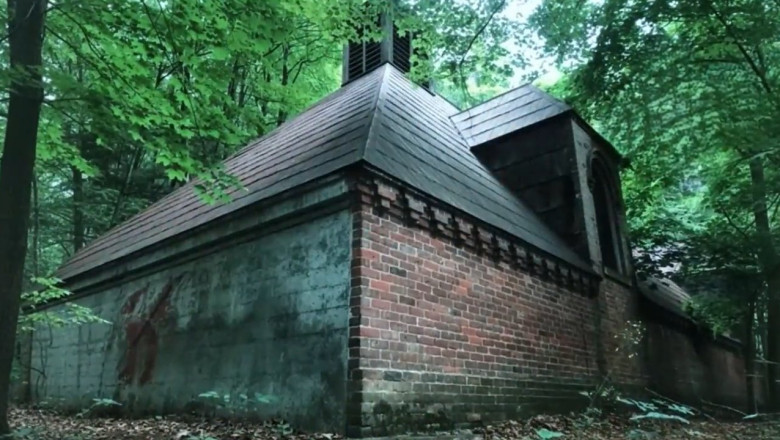
James had been hiking for two hours when the forest’s silence felt wrong—thick, expectant, as if the trees were holding their breath. He moved slower, senses sharpened, boots muffled by damp leaves. Birds had gone quiet, and even the wind seemed constrained. Then, between trunks and ferns, he saw stone: a house-like shape that should not have been there so far from any road. Its walls were clean and intact, almost new, yet the style was oddly anachronistic—classical lines with modern materials. He circled it, heart nudging curiosity toward caution.
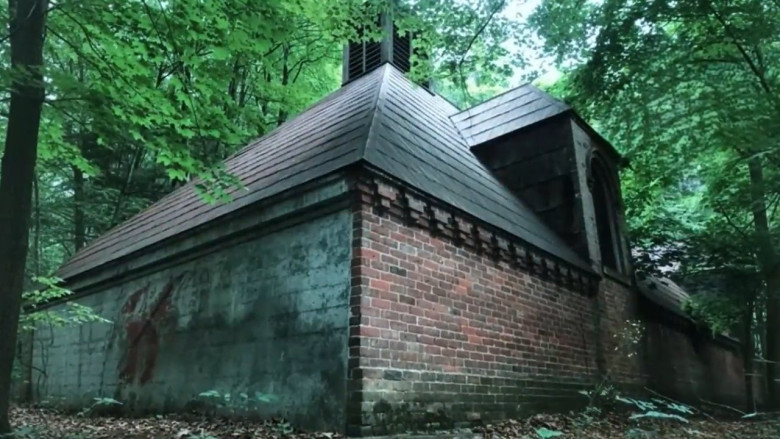
From ground level, the structure revealed one impossible thing: no doors, no windows. Only a barred opening high on the second floor broke the facade. Whoever built it had intentionally made it impenetrable from outside. The thought lodged in James like a splinter. Why hide something by making it unreachable? He crouched, inspected the masonry, ran a hand along the cold stone, and felt an urge he hated to admit: to see inside.
The Climb
The opening on the second floor taunted him. Too high to reach from the ground, shielded by iron bars, it offered only a slanted glimpse into darkness. James scanned for trees, branches, anything he could use as a makeshift ladder. The recent rain had left most fallen wood rotten and useless. He found a single thick branch still sturdy, green at the cut end, strong enough to test his weight.
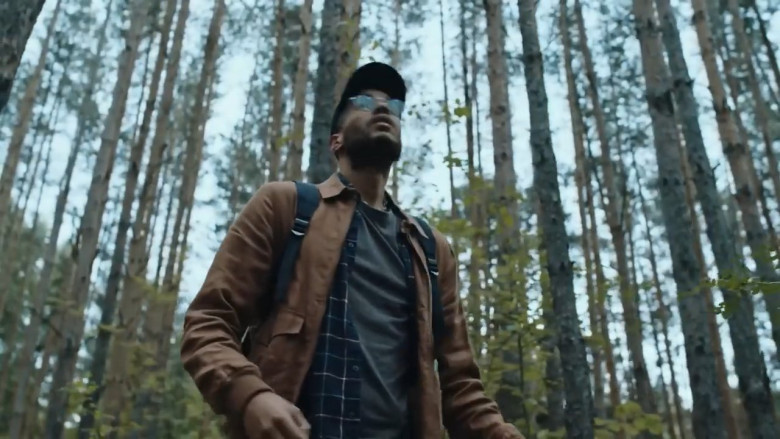
His rational mind argued against it—no sane person climbs a precarious branch toward a locked, windowless house in the middle of the woods—but curiosity had been the steady drumbeat behind each step he’d taken that morning. He dug the end into the soft earth, wedged it against the wall, and began to climb. Each movement felt absurd and dangerous: bark slipped under his palms, the branch groaned, his legs trembled. He told himself to be careful, then climbed until the iron bars were within reach.
The Glimpse
Peering through the bars, James’s brain tried to file what he saw into something familiar and failed. The room beyond was not dusty or abandoned—cold air spilled out, carrying the metallic scent of machines. Rows of equipment lined the interior: racks of humming units, cables snaking across the floor, blinking LEDs like distant stars. Air-conditioning ducts pumped icy wind through the space, condensation forming on metal. It looked like a data center or a lab, not a hidden cabin. Then his eyes found movement—a silhouette bent over a console, hands working quickly.

Panic hit him like the branch shifting underfoot. He gasped and stumbled. The person inside looked up and, in an instant, their eyes met. A shout cracked the quiet as metal scraped and someone moved to hide things from sight. James lost his grip. He tumbled down, shoulder slamming into the ground. Pain flared, but terror flared brighter. He ran before he thought, feet carrying him until the trees obscured the building again, heart hammering, breath ragged. Only when he reached a small clearing did he call the police.
The Call
By the time officers arrived, James’s voice shook as he described the impossible house and the machines inside. At first one of the patrols tried to steady him with calm questions—how far, what did the machines look like, had he seen anyone else? He answered in short bursts, sending the photos he’d taken while perched on the branch. The images changed the atmosphere: skeptical faces softened into urgency. The officers studied his maps; this place was remote and raw, miles of tangled forest from the nearest service road.
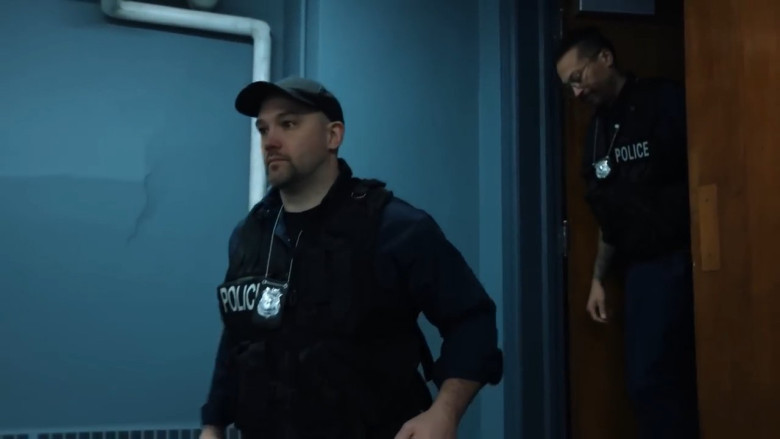
Foot approach would take hours; driving would mean a long, risky trip through terrain that could swallow vehicles. A delay could mean the suspected person would flee, dismantle equipment, or destroy evidence. The captain made the decision quietly but firmly: they needed a fast insertion. The nearest air support was called. James watched them move with a hollow in his chest—part relief that he had reported it, part dread of what they would find.
The Arrival
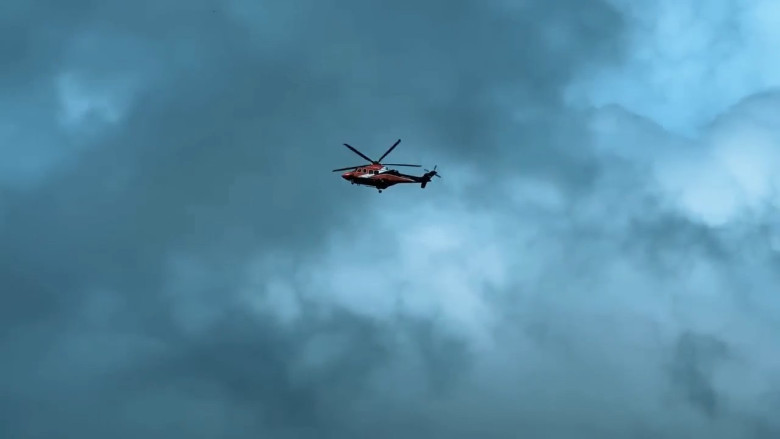
The helicopter’s rotor wash rattled leaves and made the forest shiver. Five officers disembarked onto uneven ground, boots sinking into duff and mud. From above the stone structure barely showed; the canopy hid it until they were nearly overhead. The crew set a perimeter while the pilot hovered, ready to extract if needed. James pointed to the barred opening and told them what he’d seen and how the person inside had panicked and started cleaning.
The officers peered up, assessing options. There were no ground-level entrances, no weak points obvious from their vantage. The only feasible access was the second-floor opening James had used to peer in. That meant ladders or a risky climb. They placed a ladder, and one of the officers, weapon drawn and adrenaline sharp, began to ascend. His face was set and professional, but his fingers tightened as he neared the barred gap. He opened the bars and looked in.
The Look Inside
The officer’s single look was all it took: he stiffened, radio chatter turning urgent. The room was worse than James had described. The machines hummed louder up close; cables lay in precise, purposeful bundles and surfaces were suspiciously clean, as if wiped moments before. Racks of computing hardware filled the floor, their fans pushing constant, cold air into the space. Like a hive, the setup suggested a coordinated operation, not a casual hoarder or a lonely tinkerer.
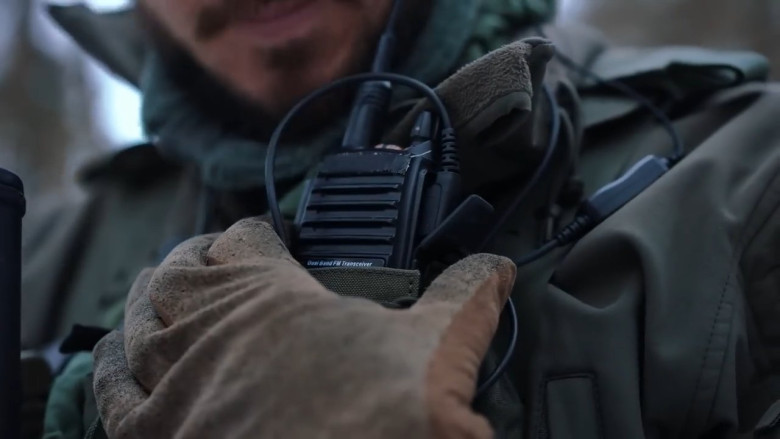
The officer’s voice on the radio snapped into command tone: more units, forensic teams, and backup. They could not risk a confrontation with an unknown number of suspects or a scene where valuable electronics or tampered utilities could mean explosives, rewiring, or other hazards. The ladder, once a single point of access, became the bridge for a careful entry. With weapons low but ready, the team prepared to step inside and investigate a secret that had been humming in the forest unnoticed.
The Cold Room
Inside the main chamber, the officers were struck by the temperature contrast—outside, the forest was cool; inside, despite the air conditioning, the air felt controlled and processed, like the climate of a server room. Every surface suggested recent occupation: cleaning cloths, half-wiped fingerprints, smudges on metal that hinted at hurried movement. Tools lay tucked away, and some equipment looked like it had been moved seconds before.
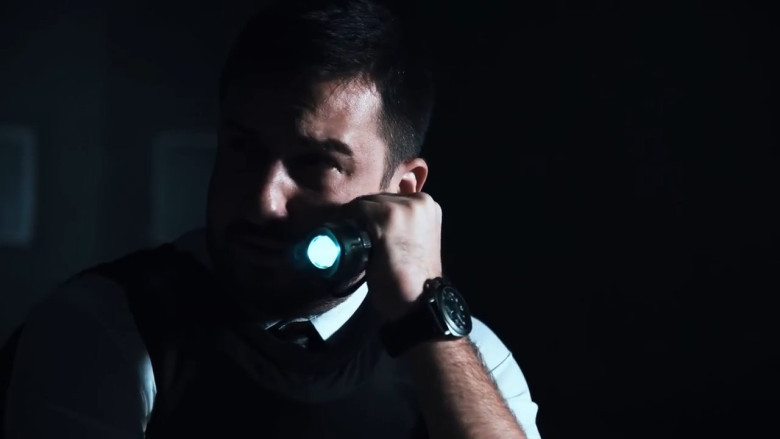
Power cables snaked through hidden conduits, disappearing into the walls as if fed from a more organized grid than a standalone building should have. Yet there was no clear living area—no beds, no personal effects—only rows of processors and storage arrays arranged for maximum efficiency. The operation’s purpose wasn’t obvious at a glance, but it was modern, deliberate, and designed to be hidden. The captain ordered a sweep; they cleared corners, checked ducts, and watched the barred opening like a funnel from which danger might appear.
The Trap Door
They had barely reached the center of the room when the floor’s dull thud gave them an answer. An officer stepped where floorboards felt solid but shifted with a muffled, hollow sound. The captain cursed under his breath and signaled to hold position. One officer tested the area and found a loose panel. With coordinated effort they lifted it to reveal a trap door, its hinges oily and recent. A steep stairway plunged down into damp darkness, lit only by their flashlights.
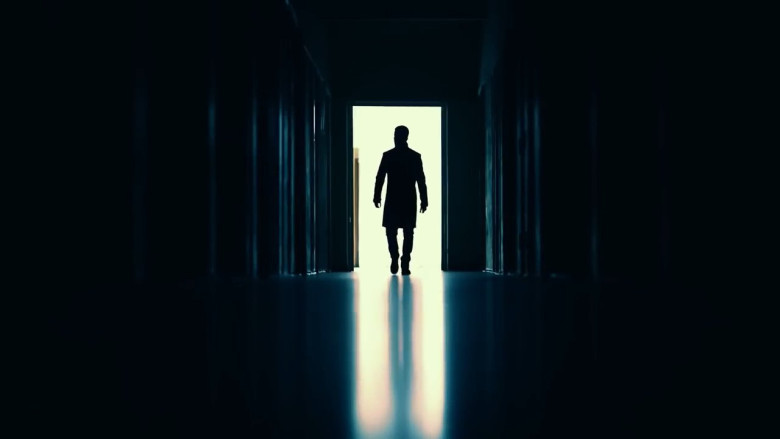
The group descended, weapons forward, boots echoing on concrete steps. The tunnel smelled of soil and old metal, but also of something newer—machine oil and plastic. It extended farther than any of them expected, curving under the earth in a manner that suggested deliberate concealment. They moved slower, the weight of keeping a scene intact balanced against the urgency of catching suspects who might still be on the move.
The Hidden Entrance
The passageway opened into a second subterranean chamber, built and finished with care. Concrete walls, ventilation ducts, and newer locks gave the impression of recent adaptation. A heavy door sealed one side; it looked reinforced, commercial-grade, not something a casual trespasser would install. The officers took positions and listened. From the other side came muffled activity—boxes shifting, the clink of metal, the distant thump of a vehicle being loaded perhaps.
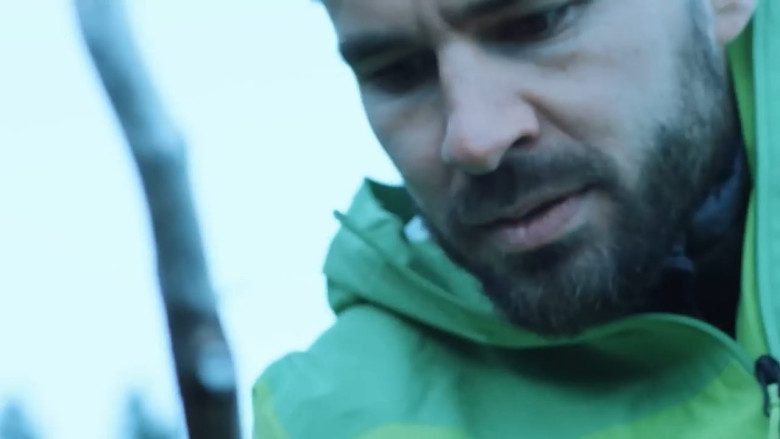
They prepared to breach. Radios whispered instructions for evidence collection as much as for tactical entry. The captain counted—winded, alert faces—and then gave the command. The lock yielded under their tools; hinges protested; the door flew open with noise and light. Inside, a man froze mid-motion, hands on a packet of equipment, dirt on his boots, and terror in his eyes.
The Arrest
The man’s face registered shock and calculation in quick succession. He raised his hands, then tried to speak. Officers moved to secure him, rifles lowered to cuffs. He was younger than expected, possibly in his thirties, wiry and tired. Under interrogation at the scene he stammered explanations—he was part of a group, he’d only done grunt work, he hadn’t expected anyone, they’d used the site because it was hidden. His alibi cracked when a forensic team mapped serial numbers and traced communications.
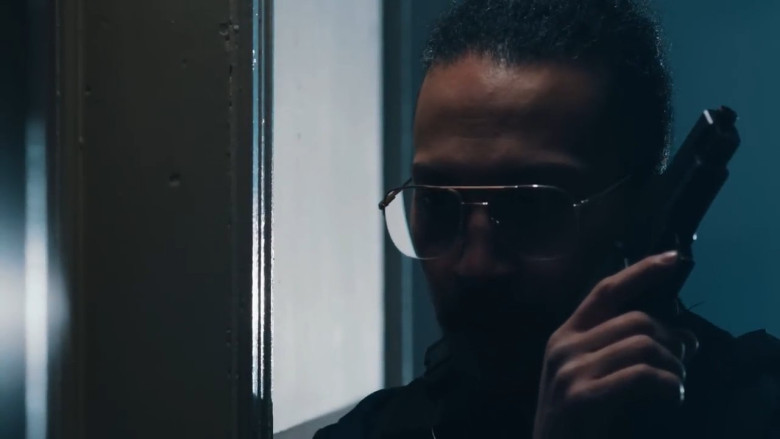
Equipment found against the wall matched the catalog of professional mining rigs—high-output processors and storage units, purpose-built to chew electricity. Wires leading through the tunnel connected to an external feed, and the air-conditioning units had been overworked to hide heat signatures. The officers realized the building hadn’t been about secrecy for spectacle; it had been camouflage for profit.
The Rumor Becomes Plan
Investigators reconstructed how the operation likely began. Years earlier, the factory that once occupied the area had lost permits and been abandoned. The unusual stone structure with no ground-level access remained—an oddity kids dared each other to approach. Rumors of a haunted house funneled interest and obscured scrutiny. Opportunists with technical know-how had seen an opportunity: a place no one would enter meant no curious strangers, and the thick canopy made aerial detection harder.
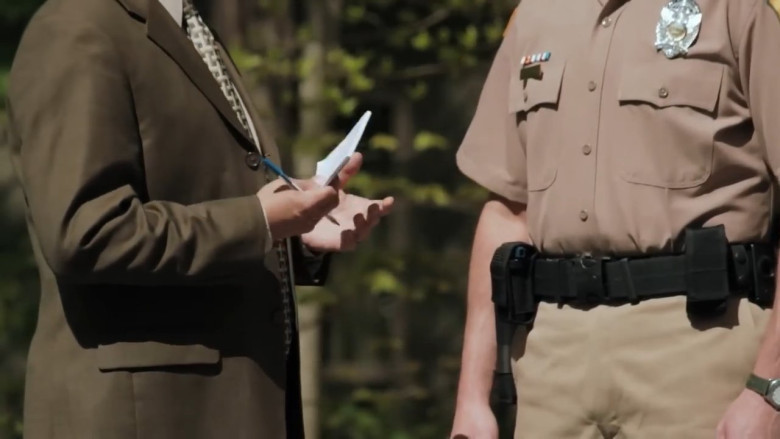
They had tunneled and wired, installing modern electrical feeds covertly, rerouting local utilities and tapping power. The building’s impossibility worked as camouflage. By appearing impenetrable, it discouraged casual inspection. Those who knew its secret had exploited the illusion, and the result was a clandestine data hub in the middle of damp, quiet woods.
The Racks and Logs
Forensics cataloged hardware—dozens of racks filled with GPUs and ASIC units arranged for relentless computation. They found custom-built frames, redundant power supplies, and heavy-duty cooling systems with ducting vanished into the floor and out through concealed vents. Logs recovered from the machines showed months of continuous operation, bursts of activity corresponding to nights.
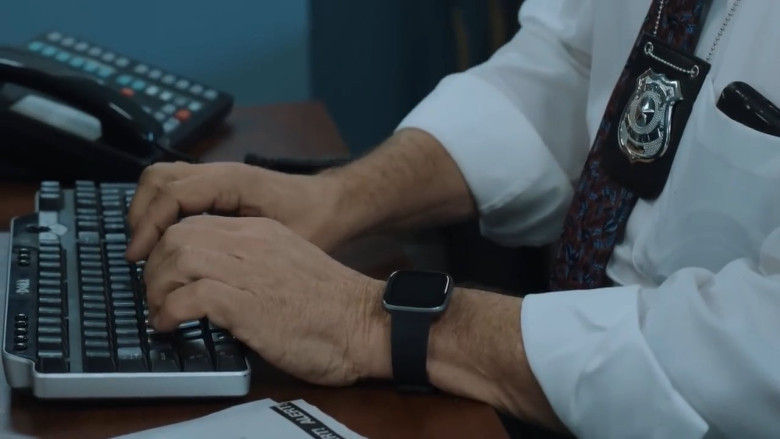
Bank transfers and cryptocurrency wallets were hard to trace directly, but payment trails and upstream vendors gave detectives leads. The arrested man’s phone contained messages and coordinates, and his hesitant confession provided names. His nervous cooperation broke open the first layer of the network. Law enforcement now had enough to begin contacting utility companies, tracing electric anomalies, and subpoenaing records. What had looked like isolated criminal mischief was turning into a coordinated enterprise.
The Power Trail
Local power companies were shocked when investigators pointed to unexplained draw spikes in the forest grid. Technicians combed service records and found irregular feeds that had been masked by creative rewiring—meters bypassed, lines tapped with improvised junctions hidden under service covers, and bills routed through shell accounts. Those financial footfalls led detectives into a small web of shell companies and leased addresses.
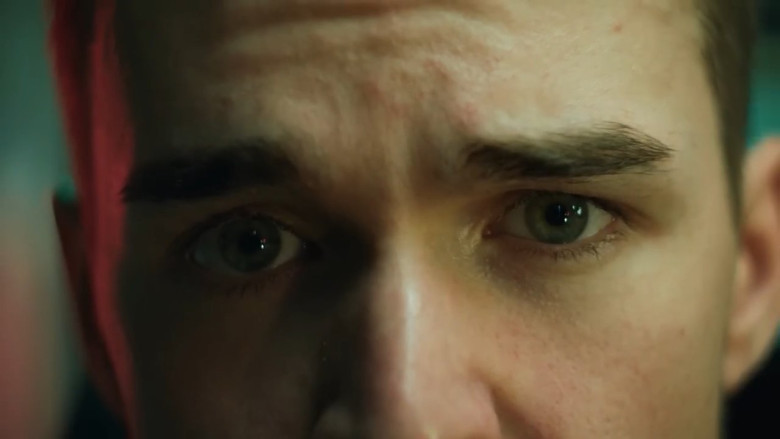
Investigators moved quickly, deploying warrants and freezing assets when possible. The state’s cybercrime unit joined to parse server logs and cryptocurrency flows. Forensics specialists pulled fragments of wallet keys from devices, piecing together transfers. It was messy but methodical: each recovered fragment linked to an exchange account, then to bank transfers, then to individuals who, until now, had been names on the arrested man’s shaky ledger of contacts.
The Network Unfolds
As subpoenas arrived and arrests began, the scale of the operation emerged. It wasn’t a lone miner or a few hobbyists; it was an organized crew that had pooled resources to run a sizeable farm off-grid. They’d found that the stone house’s inscrutable exterior discouraged attention and allowed them to run months of high-consumption activity without immediate detection.
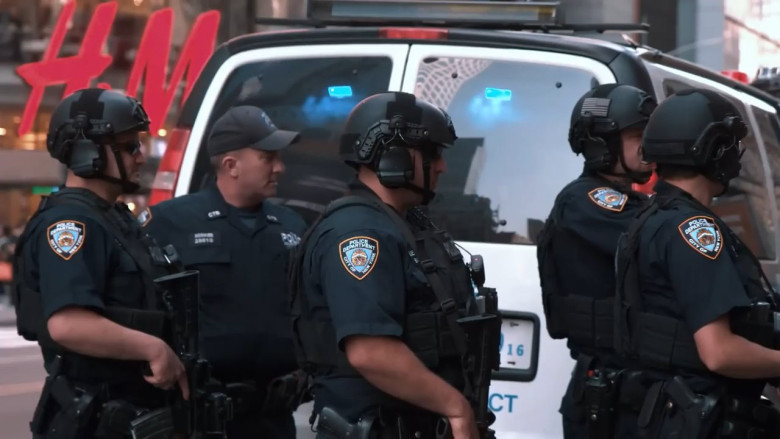
The crew had also planned exit routes: hidden tunnels, caches of gear prepped for rapid removal, and a truck that could haul racks in the dead of night. The man they’d caught proved eager to cooperate, providing names and meeting locations and the logistics of how they rotated shifts to maintain continuous operation. Prosecutors took the case seriously: illegal power theft, environmental hazards for tampering with infrastructure, and organized criminal activity were all on the table.
The Remediation
Back at the site, technicians traced the power routing. An improvised transformer junction had been hidden beneath an old dirt road, pages of wiring diagrams found in a discarded notebook confirming long-term planning. The group had even bribed or coerced a few local helpers to move materials and provide cover. Environmental teams checked the impact: the heavy cooling units and constant vibration had subtly shifted the forest floor and drained localized power lines; nearby wildlife patterns had been altered by noise and heat.
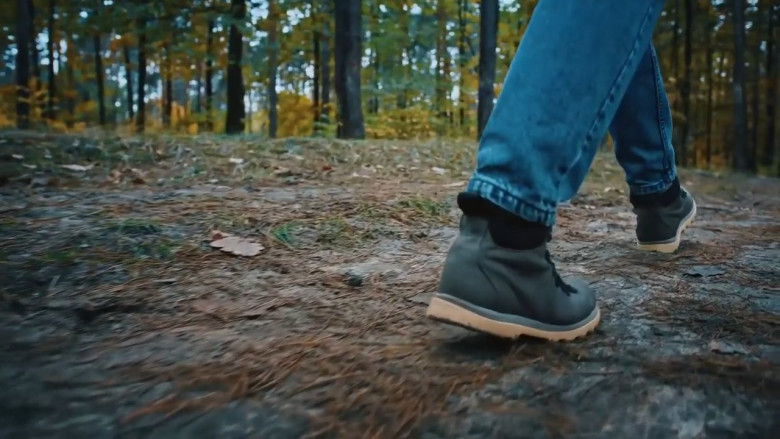
For the investigators, the case was now not only about theft and criminal conspiracy but also about mitigation—restoring safe electrical infrastructure, remediating disturbed soil, and ensuring no hazardous waste remained. The stone structure that had once been merely a curiosity had become a scene requiring cross-disciplinary attention.
The Trial
In court, evidence was painstakingly presented. Prosecutors displayed photos of the interior racks, financial records, intercepted communications, and the arrested man’s testimony. The defense attempted to argue lack of intent and minor involvement for some defendants, but the weight of physical evidence—serial numbers, service records, and a chain of custody from the site to the suspected handlers—made a strong case.
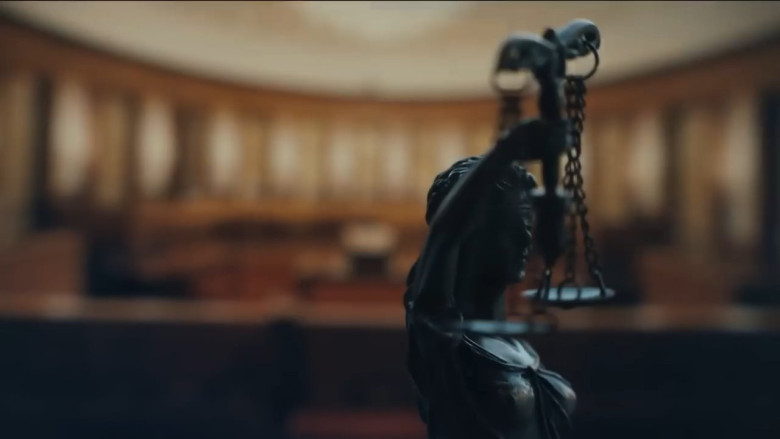
Judges and juries saw how the operation had used the peculiar building as its shield. Witnesses from the power company explained how tampered meters and diverted feeds had endangered infrastructure. The defendant who’d been arrested at the site pleaded for leniency but ultimately faced sentences proportional to the organized theft and environmental endangerment. The court ordered confiscation and turnover of equipment and ordered the defendants to account for ill-gotten gains.
The Spotlight
James watched the proceedings with an odd mixture of relief and anxiety. His photographs and statements had been pivotal, though he had not expected such consequence when he’d climbed a branch on a whim. The public spotlight that followed surprised him: news items praised the officers’ quick actions and highlighted the strangeness of the doorless building exposed as a hub for illicit activity.
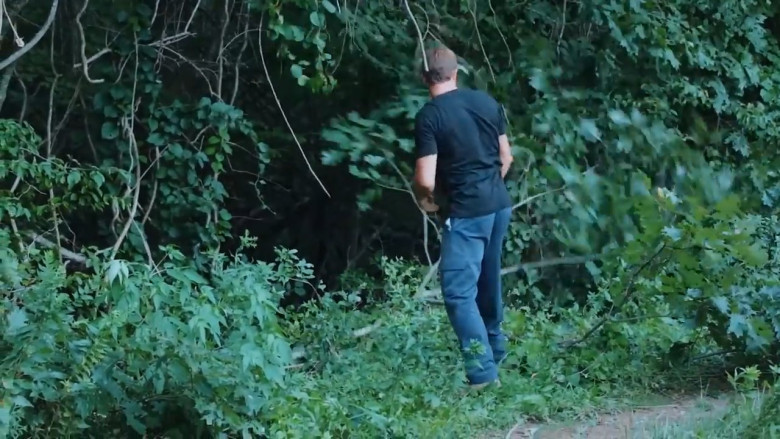
Some locals debated whether the arrest had been necessary for a site that had, years ago, been a myth to children. Others worried about the precedent—had people been looking in the wrong places all along? James felt awkward in interviews, unease at the attention he’d attracted, and a private satisfaction that his insistence on answers had disrupted a scheme built on deception.
The Safeguard
With the suspects convicted and equipment seized, law enforcement focused on preventative steps. Utility companies revised inspection protocols for remote feeds; forestry officials added targeted patrols and started mapping peculiar structures in collaboration with local communities. The odd stone house was boarded and made safe, its hidden traps documented and sealed. Environmental teams began repairs to disturbed earth and monitored wildlife recovery in the months after shutdown.
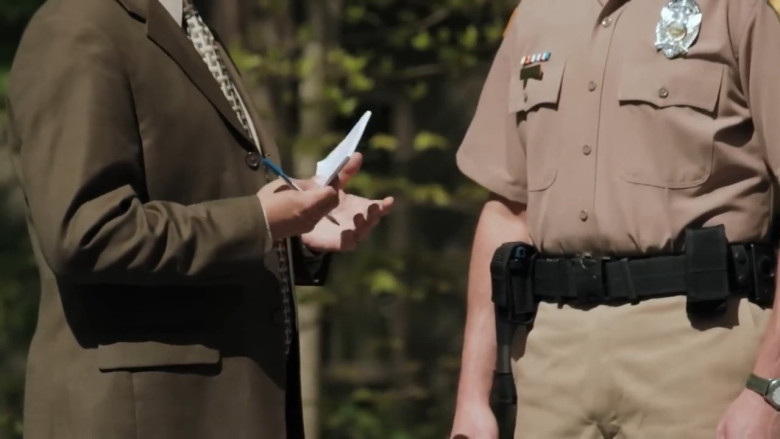
The story became a case study in how ingenuity could be twisted into criminal enterprise—a lesson for watchdogs and citizens alike. James, who’d once found the place as a walker in the woods, received a letter of commendation and a modest reward for reporting it, though he considered the real payoff the reassurance that his curiosity had stopped harm.
The Lesson
Life settled back into the forest’s ordinary rhythms, but the place retained a changed aura. The boarded facade remained odd to look at—still without doors, still like a riddle carved in stone—but no longer a mystery harboring illicit machines. Local kids who once dared each other to visit now whispered stories with new details, and hikers rerouted paths to give the structure a respectful distance.
James kept walking—though with a keener eye and a less fanciful appetite for exploring things that seemed impossible. He developed a practical habit: if anything felt out of place, he documented it and informed authorities rather than investigating alone. The episode had taught him the thin line between curiosity and danger, and how vigilance paired with prudent action could make a real difference.
The Quiet Outcome
Months later, the stone building stood silent, sealed, and cataloged in reports. Prosecutors had reclaimed ill-gotten gains, and the seized equipment was repurposed or destroyed per legal orders. The operation’s leaders faced sentencing and restitution; the man who panicked at the barred opening served time and testified against higher-ups.
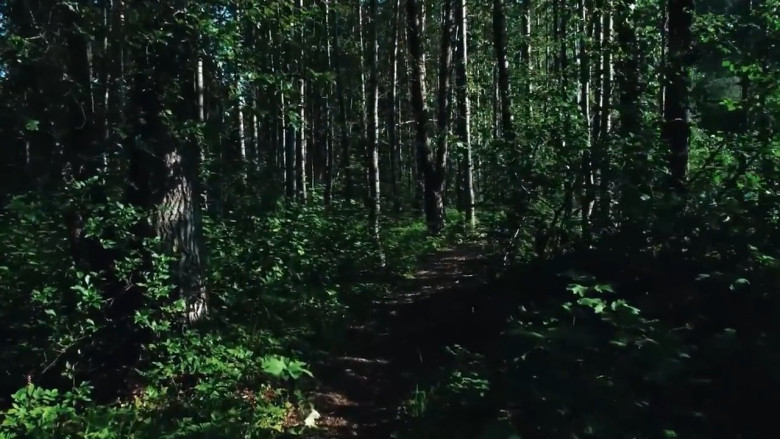
The forest regained its sounds—birds returned, branches fell and decomposed as before—and the odd structure became a footnote in local lore. James returned to his favorite trail and, for the first time in a long while, walked unhurried, enjoying ordinary noises: a jay calling, a stream burbling, his own boots scuffing leaves. Once, at the edge of the clearing, he glanced at the stone house and felt a small, private satisfaction: the impossible had been solved, not by brute force but by noticing, reporting, and letting others do their work.










Comments
0 comment