




Meet the Crevice Weaver: A Newly Discovered Urban Spider from Colombia
A new species in the South American Pikelinia lineage has emerged from Colombia’s Tolima department, introducing Pikelinia floydmuraria to the world. The discovery, now detailed in the open-access journal Zoosystematics and Evolution (ZSE), adds a notable chapter to the study of synanthropic spiders—those that have adapted to human-made environments.
A Collaborative Leap in Pikelinia Research
Researchers from several South American institutions joined forces to document a fresh member of the Pikelinia genus. Their fieldwork and subsequent analysis culminated in the description of Pikelinia floydmuraria, a crevice weaver that thrives in urban spaces. The study broadens our understanding of how these spiders navigate and exploit the cities’ built environments, and it signals an important step forward in cataloging the biodiversity that coexists with human activity.
The Name and Its Meaning
The species epithet “floydmuraria” is a deliberate nod to the legendary rock band Pink Floyd, while also reflecting the spider’s characteristic urban habitat. The term “muraria” traces back to the Latin for “wall,” underscoring the spider’s preference for living within the crevices and interstices of building façades. In a clever double entendre, the name also evokes Pink Floyd’s iconic album, The Wall, linking cultural reference with ecological niche.
Significance for Synanthropic Ecology
The team highlights the importance of this discovery for the broader study of synanthropic spiders—species that have adapted to life alongside humans. In Colombia, these spiders play ecological roles that have not been extensively explored, particularly regarding their biology and nutritional ecology. The identification of Pikelinia floydmuraria and observations of additional populations in neighboring departments offer promising avenues to deepen scientific understanding of how such spiders persist, hunt, and reproduce amid urban landscapes.
Foundation of the Genus’ Identity
The genus Pikelinia first received a formal regional treatment in 1946, thanks to the work of Brazilian zoologist Mello-Leitão. For many years, Pikelinia remained less understood, with some species misidentified or lumped into the broader Filistata group, a classification historically associated with Mediterranean species. A pivotal shift came in 2022 when a comprehensive study redefined Pikelinia as part of a distinct South American spider clade. Pikelinia floydmuraria represents the latest addition to this redefined lineage and enriches our knowledge of the dietary habits characteristic of these crevice-dwelling spiders.
Hunters of the Urban Night
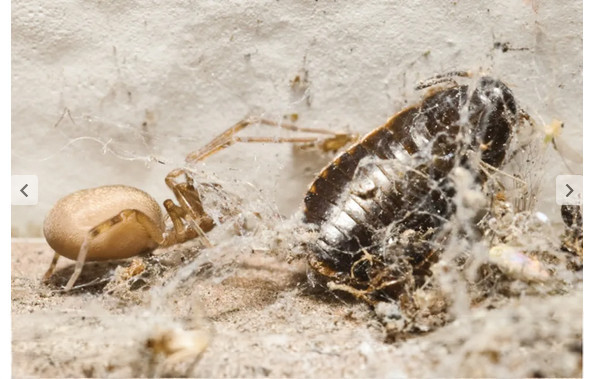
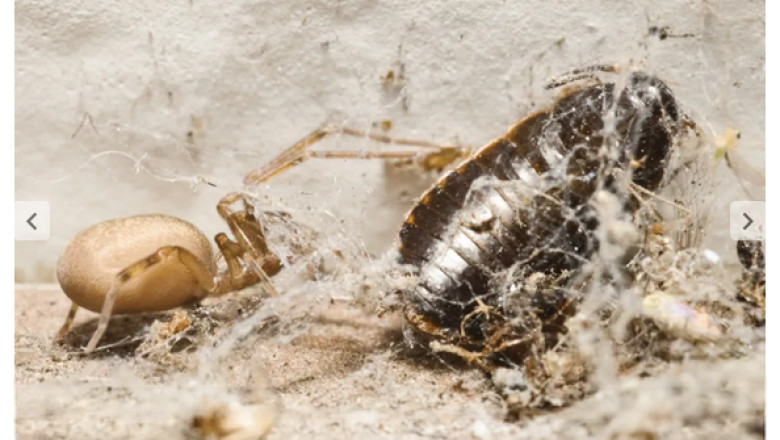
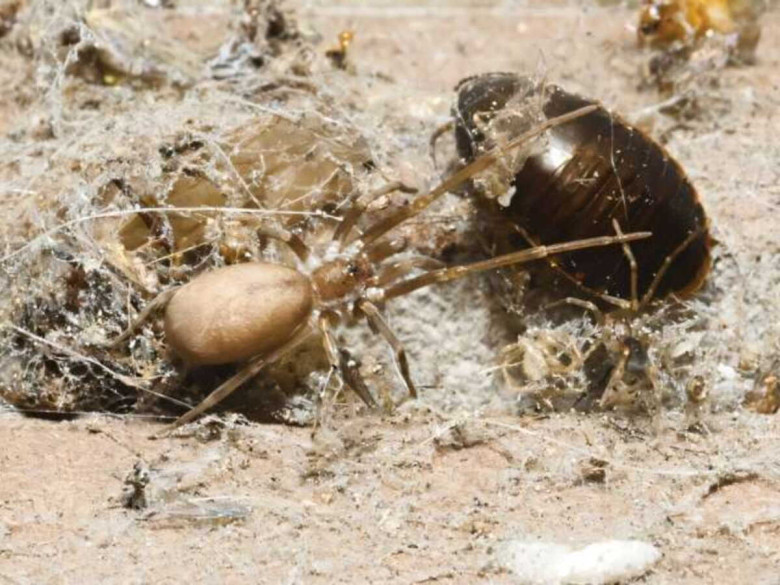
Pikelinia floydmuraria is a nimble predator, feeding primarily on insects such as flies, beetles, and ants. Remarkably, they can subdue prey up to six times their own size. In urban settings, these spiders often position their webwork near streetlights, where insects are drawn to the glow, creating reliable foraging opportunities. An illustrative depiction of their predatory behavior in city environments shows how the species can capture prey larger than itself, contributing to the regulation of urban insect populations and promoting a balanced ecological dynamic within Colombian cities.
A Snapshot of the Species
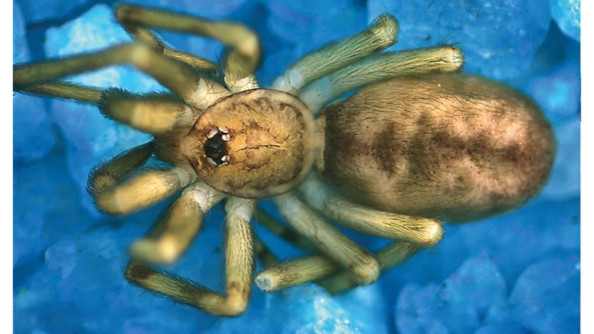
The research team, led by Osvaldo Villarreal and Leonardo Delgado-Santa, notes that Pikelinia floydmuraria is a diminutive spider, measuring roughly 3 to 4 millimeters in length. One of the study’s more intriguing internal features lies with the females: their reproductive organs include elongated, slender tubes arranged in an S-shaped configuration. In urban settings, these spiders tend to hide within cracks and crevices of building walls, with observations revealing concentrations of 20 to 30 individuals per square meter in some locales.
Close Relatives and Geographic Enigma
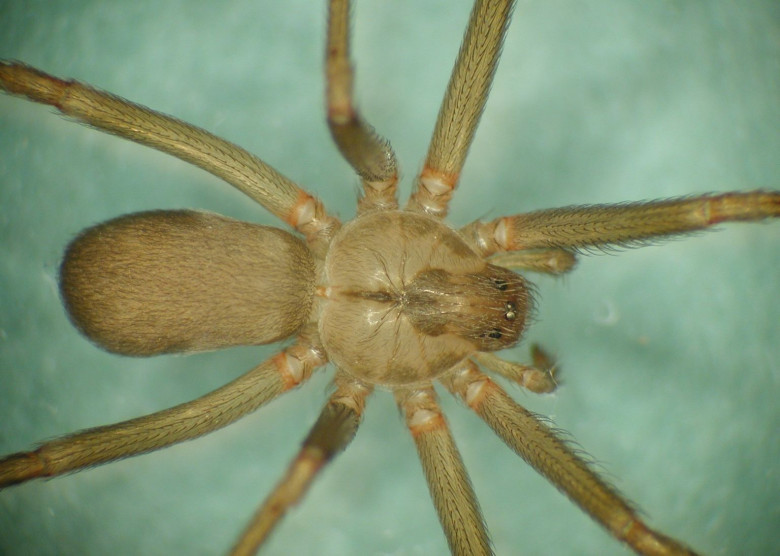
Pikelinia floydmuraria is found to be a close relative of another species, Pikelinia fasciata, which inhabits the Galápagos Islands. Although separated by the vast Pacific Ocean and the Andean mountain range, the two species exhibit strikingly similar appearances. This raises compelling questions about their evolutionary history: did these spiders share a common ancestor, or have they converged on comparable ecological strategies due to analogous urban environments?
Differentiating the Colombian and Galápagos cousins
Despite their near-identical appearance, the two species can be distinguished by specific differences in leg coloration and patterning. Pikelinia floydmuraria from Colombia displays solid-colored legs, whereas Pikelinia fasciata from the Galápagos shows darker ring patterns along the legs. In addition, female Galápagos individuals possess reproductive organs that are shorter and straighter in comparison to their Colombian counterparts. These subtle morphological distinctions help researchers accurately differentiate the two species in the field and under the microscope.
Implications for Future Research
The discovery of Pikelinia floydmuraria opens multiple avenues for further investigation. Scientists are keen to determine how widespread this species is beyond Tolima, including the degree to which it exploits urban infrastructure across Colombia’s neighboring departments. There is also a strong interest in understanding how these spiders adapt their hunting strategies, reproductive biology, and life cycles to the unique microhabitats formed by city walls, crevices, and man-made crevices.
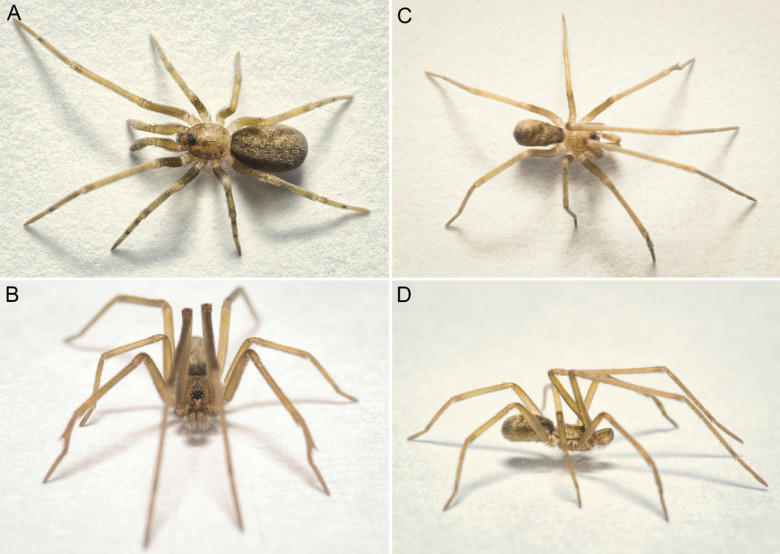 Additionally, the comparative study between Pikelinia floydmuraria and Pikelinia fasciata invites deeper exploration into biogeography and evolutionary processes. How did these spiders come to resemble each other so closely across oceans and mountains? Is there evidence of historical dispersal events, or do they reflect parallel adaptations to similar ecological pressures?
Conservation and Public Engagement
As synanthropic species, crevice weavers like Pikelinia floydmuraria often inhabit spaces that intersect with human activity. Understanding their ecology can inform urban biodiversity planning and pest management strategies. Public awareness about these tiny urban dwellers can foster appreciation for the hidden complexity of city ecosystems and the roles that even small predators play in maintaining balance within urban habitats.
In summary, the description of Pikelinia floydmuraria marks a meaningful advancement in arachnology and urban ecology. It highlights the innovative work of researchers across South America and emphasizes how urban environments continue to reveal surprising facets of biodiversity. The species’ name pays homage to Pink Floyd while reflecting a genuine ecological niche—the walls of our built environment. As future studies unfold, the full ecological story of this tiny crevice weaver will become clearer, enriching our understanding of how life persists and prospers














Comments
0 comment