



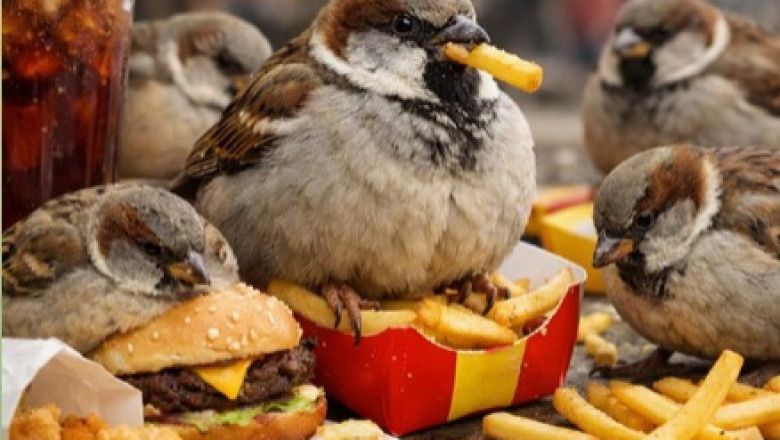

The Impact of Urban Fast Food on Sparrow Health and Reproductive Success
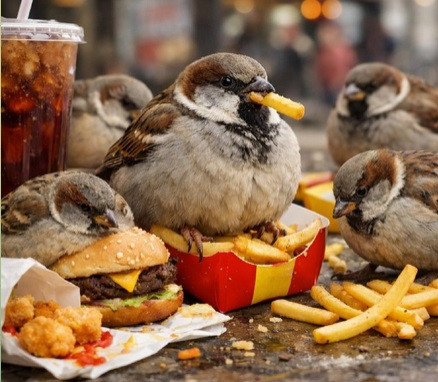
As urban environments continue to grow and evolve, so too do the behaviors of wildlife that inhabit them. One species notably affected by city life is the sparrow. These small, adaptable birds have found a niche near fast food outlets, where they feed on leftover food scraps. However, this seemingly convenient food source may come at a significant cost to their health and reproductive success.
The Urban Diet of Sparrows
In cities, sparrows are often seen foraging near fast food outlets, where discarded food, rich in sugars and fats, provides a readily available food source. While these foods may seem appealing due to their high-calorie content, they are far from ideal for the birds' natural diets. In their natural habitats, sparrows primarily consume seeds, grains, and small insects, which provide balanced nutrition suited to their dietary needs. However, the urban fast food diet introduces high levels of fast carbohydrates, such as sugars and processed fats, that are not a part of the birds’ evolutionary food sources.
Health Implications: Obesity and Digestive Changes
The abundance of high-calorie, low-nutrient fast food has begun to take a toll on sparrow health. Just like in humans, the consumption of excessive fast carbohydrates leads to an imbalance in their metabolism. One of the most noticeable impacts is obesity. Sparrows that feed regularly on fast food scraps are more likely to gain weight, which can affect their mobility, overall health, and lifespan. In the wild, sparrows are naturally lean and active, but the shift to a fast-food diet leads to a significant change in their physiology, putting them at risk for metabolic disorders and health complications.
Moreover, sparrows’ digestive systems are not designed to process large amounts of sugar and fats. The alteration in their diet has led to a shift in their ability to process fast carbohydrates. Their bodies have adapted to handle these new food sources, but at a cost. This adaptation comes with a variety of health risks, including changes in hormonal balance and overall body function.
Hormonal Disruption and Decreased Reproductive Success
The impact of a poor diet on sparrow health extends beyond obesity and metabolic disorders—it is also disrupting their reproductive success. Hormonal levels in sparrows, like many animals, are finely tuned to their diet and environment. Fast carbohydrates, which are abundant in urban waste food, can interfere with these hormonal systems, leading to imbalances that affect reproductive behaviors.
Studies have shown that sparrows that feed predominantly on high-sugar, high-fat diets have reduced reproductive success. This disruption manifests in lower fertility rates, fewer offspring, and poor chick survival. In addition, changes in hormonal levels can affect mating behaviors, leading to fewer successful pairings. This has long-term consequences for the sparrow population, particularly in urban areas where the availability of fast food continues to rise.
A Growing Concern for Urban Wildlife
The presence of fast food in urban environments has created a paradox for many wildlife species. While sparrows and other animals have adapted to urban living, their health is being compromised by an unnatural diet. As cities continue to expand, the risk of diet-related health issues for urban wildlife is likely to increase, which could lead to a decline in biodiversity. Furthermore, the impact on reproductive success could have lasting consequences on population sizes and ecosystem stability.
Conclusion
Sparrows, once resilient to the challenges of urban living, are now facing the adverse effects of an easy but unhealthy diet. Feeding on fast food near city outlets is contributing to obesity, hormonal disruptions, and reduced reproductive success. While sparrows are adaptable, the long-term consequences of these dietary changes could affect not only individual health but also the future of urban sparrow populations. To ensure the continued success of wildlife in our cities, it is essential to address the environmental factors contributing to these changes, promoting healthier ecosystems for both animals and humans alike.













Comments
0 comment