



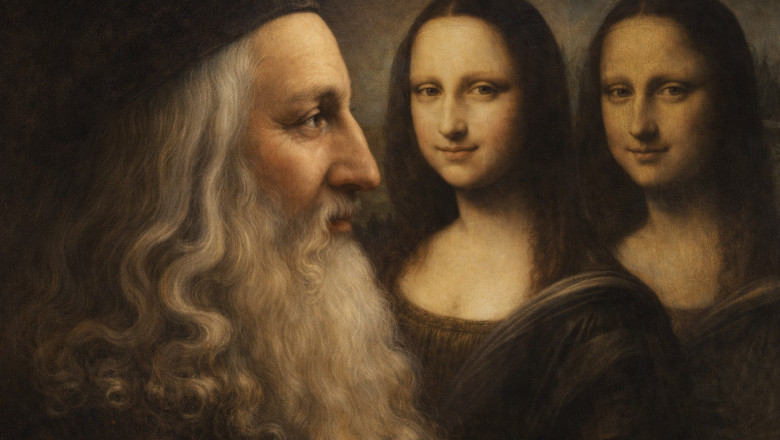

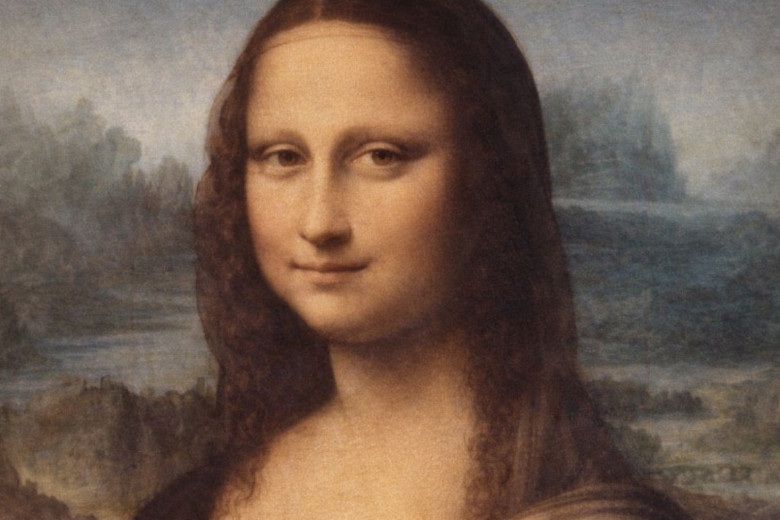
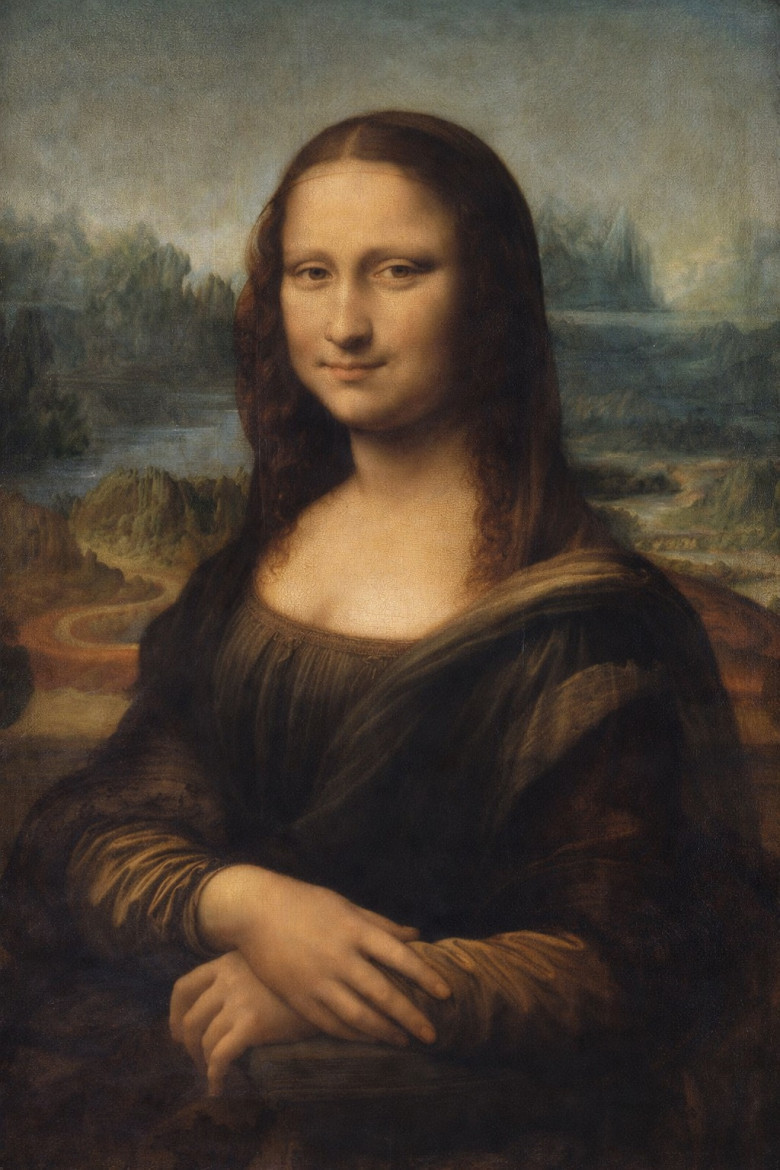
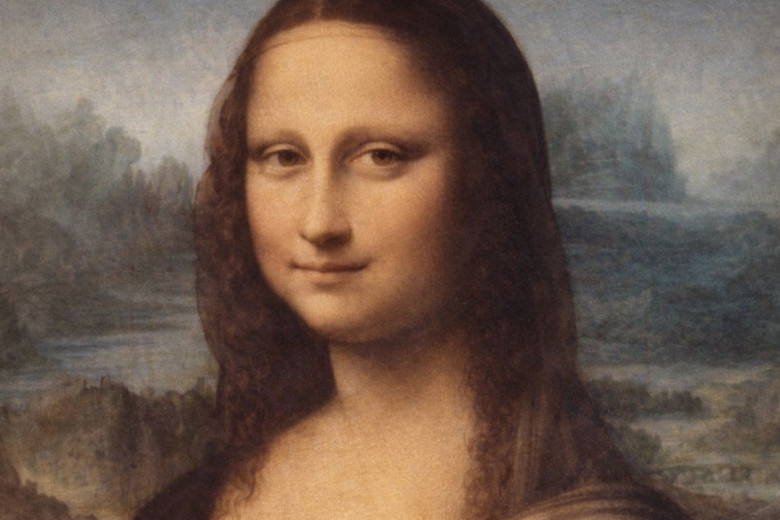
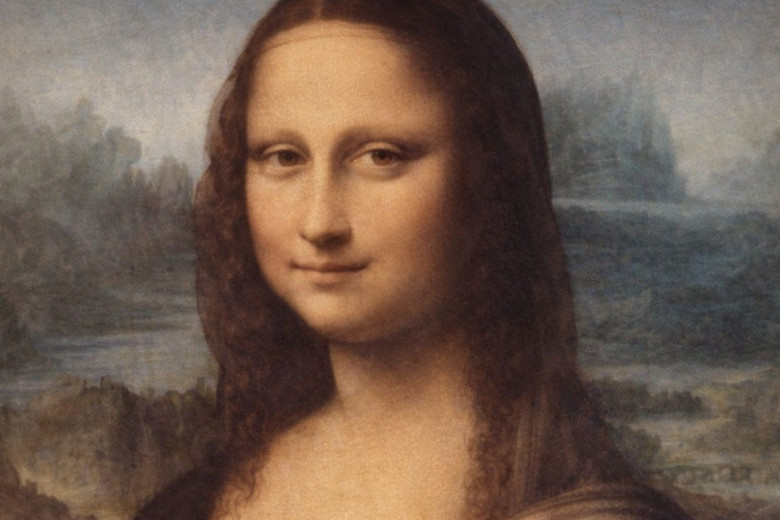
For centuries, the Mona Lisa's mysterious smile has mesmerized art lovers worldwide. This gentle, almost imperceptible expression seems to change depending on the viewer's perspective, creating an intimate connection that transcends time. Leonardo da Vinci's masterpiece continues to draw millions to the Louvre annually, each visitor hoping to unlock the secret behind her knowing gaze.
The Enigmatic Smile That Captivates Millions
For centuries, the Mona Lisa's mysterious smile has mesmerized art lovers worldwide. This gentle, almost imperceptible expression seems to change depending on the viewer's perspective, creating an intimate connection that transcends time. Leonardo da Vinci's masterpiece continues to draw millions to the Louvre annually, each visitor hoping to unlock the secret behind her knowing gaze.
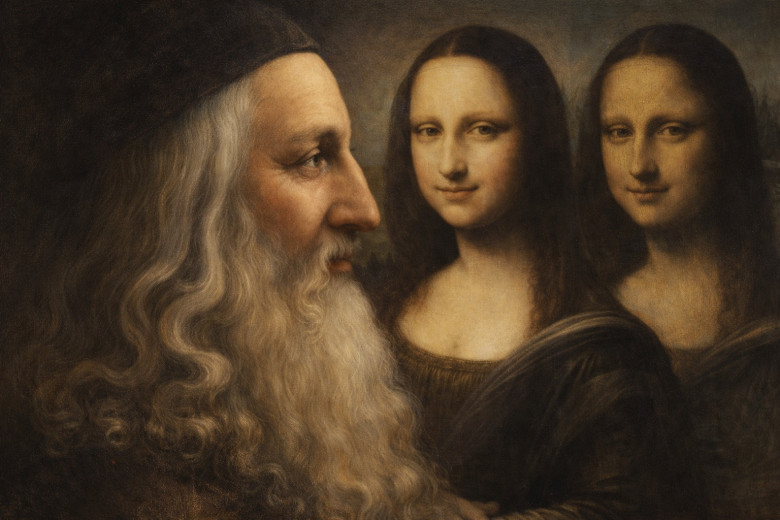
Art historians speculate that da Vinci employed his revolutionary sfumato technique—blending colors and tones seamlessly—to create this optical illusion. Some believe the smile represents the ideal Renaissance woman: serene, intelligent, and subtly confident. Others suggest it reflects da Vinci's fascination with human emotion and his desire to capture the complexity of the human soul. Whatever the explanation, this enigmatic expression has become synonymous with artistic genius and continues to inspire countless interpretations, theories, and artistic tributes across generations.
From Obscurity to Global Icon
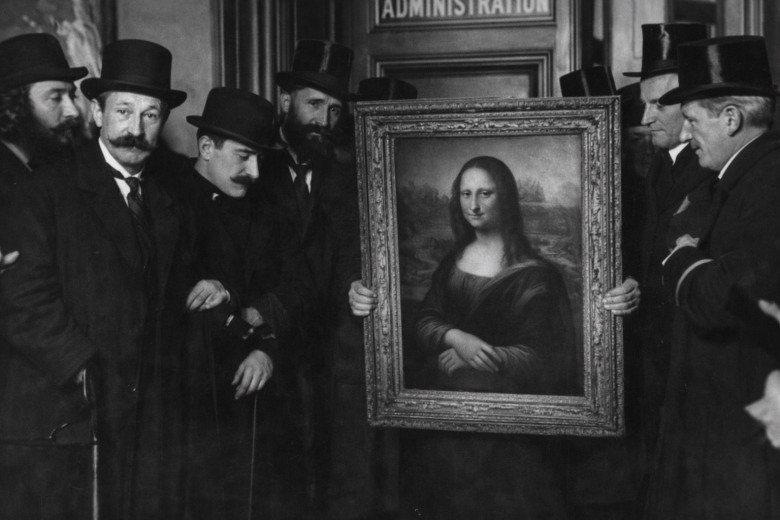
The Mona Lisa's journey from relative obscurity to global superstardom is a fascinating tale of timing, tragedy, and tenacity. For centuries, the portrait remained relatively unknown outside art circles, hanging quietly in the Louvre without special attention. Everything changed in 1911 when the painting was stolen, making international headlines and catapulting it into public consciousness. The two-year search and dramatic recovery transformed the artwork into a household name.

Subsequent events—including multiple attacks, Napoleon's fascination, and its status as a cultural treasure during World War II—cemented its legendary status. Today, the Mona Lisa represents more than just a painting; it symbolizes artistic achievement, cultural heritage, and the enduring power of mystery. Its transformation from a simple portrait to a global icon demonstrates how historical events can elevate art to unprecedented heights of fame and significance.
The Master Behind the Masterpiece
Leonardo da Vinci's genius extended far beyond his paintbrush, making him the quintessential Renaissance man whose diverse talents enriched his artistic vision. Born in 1452 near Vinci, Italy, da Vinci apprenticed under Andrea del Verrocchio before developing his revolutionary techniques. His insatiable curiosity led him to study anatomy, engineering, mathematics, and natural sciences, all of which informed his artistic approach. Da Vinci's limited output—fewer than 20 confirmed paintings—makes each work precious, with the Mona Lisa representing the pinnacle of his artistic achievement.
His innovative use of perspective, light, and shadow revolutionized portrait painting, while his detailed anatomical studies enabled unprecedented realism. The artist's notebooks reveal a mind constantly questioning, experimenting, and pushing boundaries. This multidisciplinary approach allowed da Vinci to create works that transcended mere representation, capturing the essence of human experience and natural beauty with unparalleled depth and sophistication.
Bulletproof Glass and Security Secrets
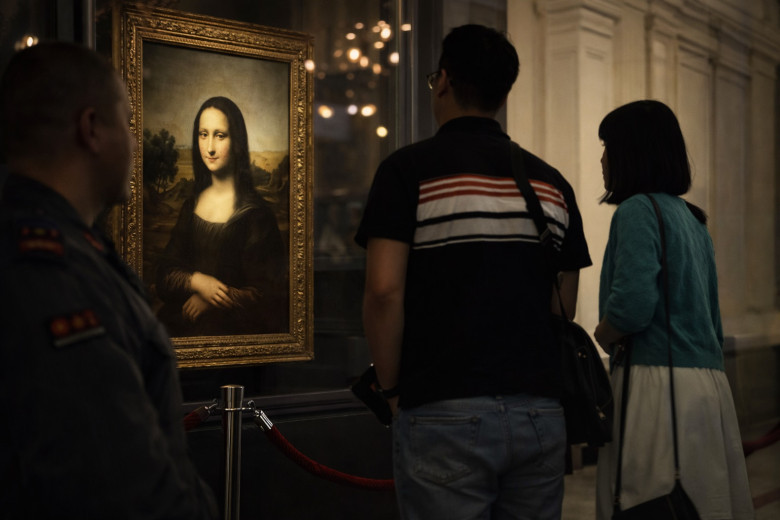
The Mona Lisa's current home behind bulletproof glass represents the extreme measures required to protect one of humanity's most treasured artworks. Following multiple attacks—including acid splashes, rock throws, and red paint incidents—the Louvre implemented unprecedented security protocols. The three-pane glass enclosure, installed in 2005, can withstand bullets and provides climate-controlled protection against environmental damage. This fortress-like display contrasts sharply with the painting's humble origins, reflecting its transformation into a cultural icon requiring military-grade protection.
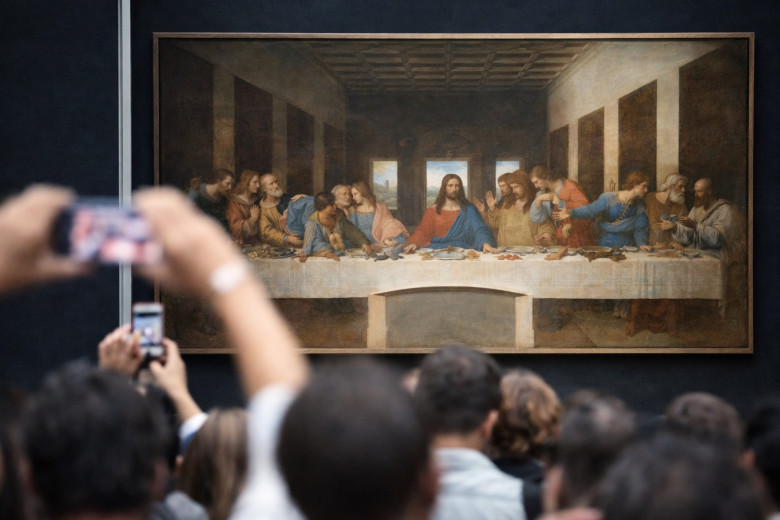
Security personnel monitor the artwork 24/7, while advanced surveillance systems track every visitor's movement. Despite these precautions, the painting remains accessible to millions annually, creating a delicate balance between preservation and public access. The elaborate security measures underscore the Mona Lisa's immense cultural value and the lengths society will go to protect its artistic heritage for future generations.
Surprisingly Small, Monumentally Famous
Despite its monumental fame, the Mona Lisa measures a mere 30 by 21 inches—smaller than many modern computer monitors. This modest size often surprises first-time viewers expecting a grander scale befitting its legendary status. The painting's compact dimensions allowed da Vinci to work on it continuously over many years, carrying it between Italy and France during his travels. Its small scale also contributes to the intimate viewing experience, drawing visitors close to examine every brushstroke and detail.
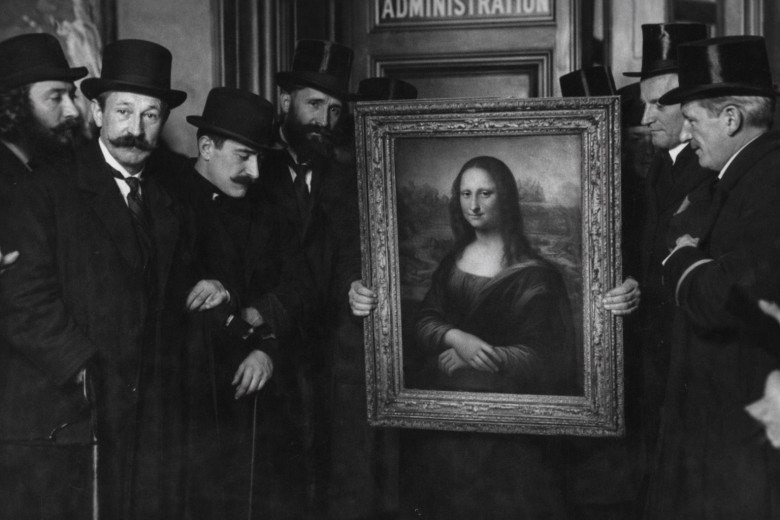
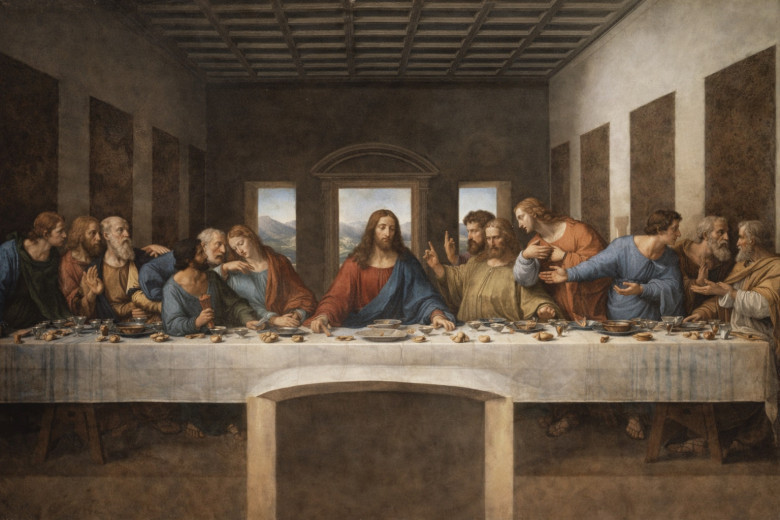
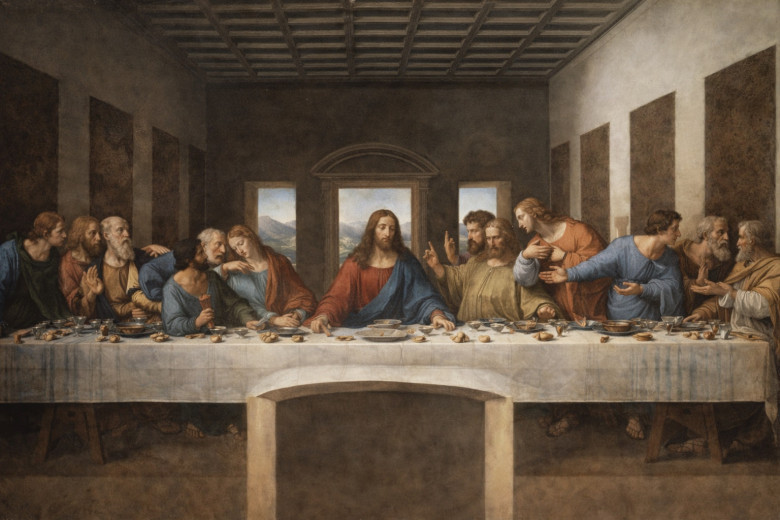
Unlike da Vinci's massive "The Last Supper," which spans 15 by 30 feet, the Mona Lisa's manageable size facilitated its preservation and transportation throughout history. This contrast between physical dimensions and cultural impact highlights how artistic significance transcends mere scale, proving that profound influence can emerge from surprisingly humble beginnings.
The Dating Dilemma: When Was She Painted?
Art historians continue debating the exact timeline of the Mona Lisa's creation, with evidence pointing to multiple possible periods. Traditional accounts suggest da Vinci began the portrait around 1503-1506, commissioned by Francesco del Giocondo to celebrate his wife Lisa and their new home. However, stylistic analysis reveals techniques characteristic of da Vinci's later period, leading some experts to propose he continued working on it until 1517.

The painting's sophisticated sfumato technique and detailed landscape background align more closely with da Vinci's mature style developed after 1510. This dating controversy reflects da Vinci's perfectionist nature—he often worked on paintings for years, continually refining and adjusting details. The uncertainty surrounding the Mona Lisa's creation timeline adds another layer of mystery to this already enigmatic masterpiece, demonstrating how even basic facts about famous artworks can remain contested centuries later.
Expert Challenges Traditional Timeline
Carlo Pedretti, a renowned da Vinci scholar, fundamentally challenged conventional dating theories by arguing the Mona Lisa couldn't have been painted before 1513. His analysis focused on stylistic elements that matched da Vinci's later works, particularly the sophisticated handling of light and shadow. Pedretti noted that the painting's technical mastery exceeded da Vinci's capabilities during his earlier Florentine period, suggesting instead that it represented his mature artistic vision developed during his French years.
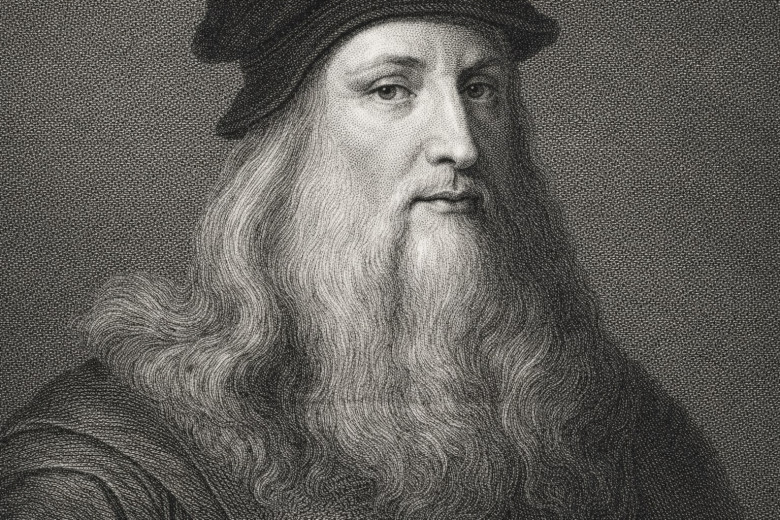
This theory gained support from evidence showing da Vinci transported unfinished works to France in 1516, where he continued refining them under King Francis I's patronage. The controversy highlights how art historical scholarship evolves through ongoing research and reinterpretation, with each generation of experts bringing new perspectives and technologies to bear on longstanding mysteries.
French Royal Connection Revealed
The Mona Lisa's journey to France began when King Francis I invited da Vinci to his court in 1516, marking the start of the painting's royal association. Historical records indicate the monarch acquired the portrait after da Vinci's death in 1519, adding it to the royal collection at Fontainebleau Palace. This royal endorsement elevated the painting's status, transforming it from a private commission to a national treasure.
The artwork remained in royal possession through successive monarchs, including Louis XIV and Louis XV, before eventually finding its way to the Louvre during the French Revolution. This royal provenance not only ensured the painting's preservation but also established its cultural significance within French heritage. The Mona Lisa's royal connections demonstrate how aristocratic patronage shaped art history, with royal collections serving as precursors to modern museums.
Napoleon's Bedroom Treasure
One of the Mona Lisa's most intriguing chapters involves its temporary residence in Napoleon Bonaparte's bedroom at the Tuileries Palace. Around 1800, the emperor had the painting moved from the Louvre to his private quarters, where it hung above his bed for several years. This unusual arrangement reflected Napoleon's fascination with Renaissance art and his desire to possess cultural treasures symbolizing power and refinement.
The painting's presence in such an intimate space underscores its perceived value and the personal connection powerful figures felt toward this masterpiece. Napoleon eventually returned the artwork to the Louvre, but this episode cemented the Mona Lisa's status as a coveted possession worthy of imperial attention. This historical anecdote reveals how art transcends mere aesthetic appreciation, becoming intertwined with political power and personal obsession.
Unveiling the Real Mona Lisa
Decades of research have converged on Lisa Gherardini del Giocondo as the most likely subject of da Vinci's masterpiece. Born in 1479 to a Florentine family, Lisa married merchant Francesco del Giocondo at age 15, bearing five children during their marriage. Historical documents, including Francesco's 1537 will referring to his "beloved wife Mona Lisa," provide compelling evidence for her identity.
The commission likely celebrated their new home purchase and the birth of their son Andrea in 1503. Lisa's life exemplifies Renaissance Florence's social dynamics—her modest dowry suggesting a love match rather than strategic alliance. While details of her personality remain elusive, her portrait's enduring fame has immortalized this ordinary Florentine housewife, transforming her into an icon of feminine mystery and artistic achievement.
Lisa Gherardini: The Woman Behind the Smile
Lisa Gherardini's life story reveals the human reality behind the iconic portrait. Born into the Gherardini family of Florence, she experienced typical Renaissance womanhood—marriage, motherhood, and domestic management. Her husband Francesco's successful silk business provided comfortable living, though not aristocratic luxury. Lisa's five children included three daughters who became nuns, reflecting common practices for managing family resources.
After Francesco's death in 1537, Lisa lived independently until her own passing in 1542, buried at Sant'Orsola convent. Her ordinary existence contrasts sharply with her posthumous fame, demonstrating how art can elevate everyday individuals to legendary status. Modern researchers have even located Lisa's remains, allowing DNA testing that could potentially confirm her identity beyond doubt, bridging centuries between the historical woman and her immortalized image.
A Love Story in Renaissance Florence
The Mona Lisa's creation may have celebrated more than just a new home—it potentially commemorated Francesco and Lisa del Giocondo's enduring love. Their marriage in 1495 defied typical Renaissance arrangements where substantial dowries sealed alliances. Lisa's modest dowry of 170 florins (compared to hundreds for aristocratic matches) suggests genuine affection motivated their union. The portrait's commission around 1503 coincided with their move to a new residence and birth of their third son, Andrea—milestones warranting celebration.
Da Vinci's sensitive portrayal captures Lisa's individuality rather than idealized beauty, possibly reflecting the couple's personal connection. This romantic interpretation transforms the Mona Lisa from mere portrait to testament of marital devotion, adding emotional depth to its artistic significance. The painting thus represents not just technical mastery but also human relationships that transcend centuries.
The Will That Confirmed Her Identity
Francesco del Giocondo's 1537 will provides crucial evidence identifying Lisa as the Mona Lisa's subject. In this legal document, he bequeathed his estate to his "beloved wife Mona Lisa," using the formal title "Mona" (Madam) preceding her first name. The will returned her dowry along with personal items, demonstrating respect and affection unusual for period documents. This explicit reference, combined with other historical records, convinced most scholars of Lisa's identity.
The document's survival through centuries of political upheaval and archival losses represents remarkable historical continuity. Modern researchers like Giuseppe Pallanti have meticulously traced these documents, building a compelling case that transforms speculation into documented fact. This legal evidence anchors the Mona Lisa's mystery in verifiable history, bridging artistic interpretation with archival research.
Da Vinci: The Ultimate Renaissance Man
Leonardo da Vinci epitomized the Renaissance ideal of universal knowledge, excelling across disciplines that modern specialization has separated. His notebooks reveal groundbreaking studies in anatomy, engineering, botany, geology, and optics—all informing his artistic vision. Da Vinci dissected human corpses to understand musculature, designed flying machines centuries before aviation, and pioneered techniques in perspective and light that revolutionized painting.
This interdisciplinary approach enabled his artistic innovations, particularly in the Mona Lisa where anatomical precision meets psychological depth. His insatiable curiosity drove constant experimentation, leaving numerous unfinished projects but establishing methodologies that influenced generations. Da Vinci's legacy demonstrates how diverse knowledge enriches creative expression, challenging modern compartmentalization of expertise and inspiring holistic approaches to learning and innovation.
Priceless Art: Da Vinci's Market Value
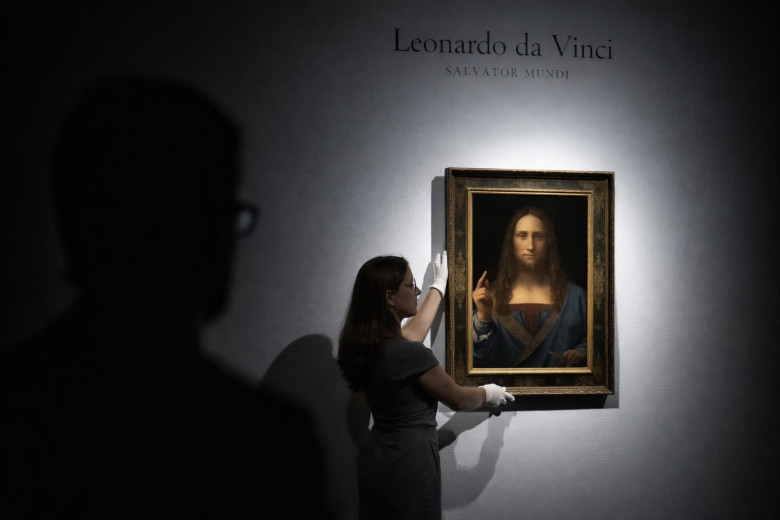
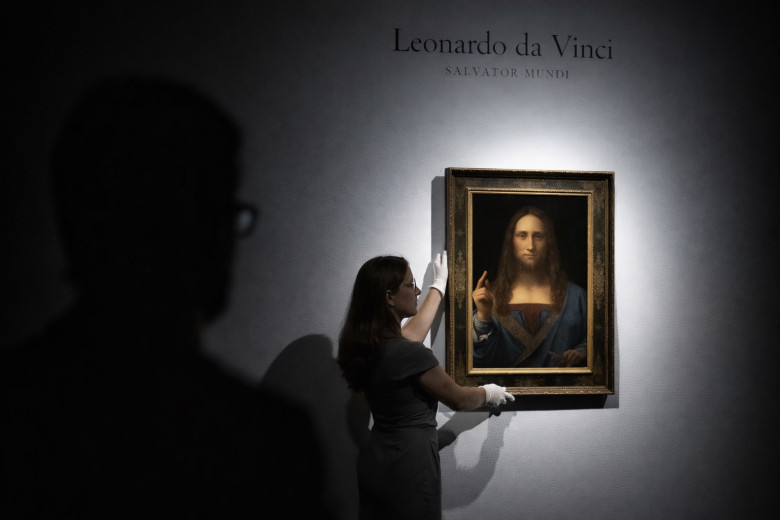
Leonardo da Vinci's surviving works represent some of humanity's most valuable cultural assets, with market values reflecting their historical significance and rarity. The 2017 auction of "Salvator Mundi" for $450.3 million established a new benchmark for old master paintings, though the Mona Lisa's insured value of $852 million exceeds even this record. These astronomical figures reflect not just artistic merit but also historical importance, provenance, and cultural impact.
The Mona Lisa's value derives from its unique combination of artistic innovation, historical significance, and global recognition. Unlike other artworks that change hands through private sales, the Mona Lisa remains in public trust, its value measured not in currency but in cultural capital. This distinction highlights how some artworks transcend commercial valuation, becoming irreplaceable treasures belonging to humanity rather than individual collectors.
Record-Breaking Auction: Salvator Mundi
The 2017 sale of da Vinci's "Salvator Mundi" for $450.3 million shattered previous records, demonstrating the extraordinary market value of authenticated da Vinci works. This painting of Christ as Savior of the World had been lost for centuries before its rediscovery and restoration. The astronomical price reflected not just artistic quality but also rarity—fewer than 20 da Vinci paintings exist today.
The sale sparked debates about art market inflation and the commodification of cultural heritage. While the Mona Lisa's value exceeds this figure, its permanent museum status prevents commercial valuation. The "Salvator Mundi" auction illustrates how authenticated da Vinci works command unprecedented prices, with collectors willing to invest hundreds of millions for the prestige of owning a masterpiece by history's most celebrated artist.
Most Expensive Insurance in Art History
The Mona Lisa holds Guinness World Record status for the highest insurance valuation ever placed on a painting. Initially insured for $100 million in 1962, its current coverage stands at $852 million, reflecting its irreplaceable cultural significance. This extraordinary valuation considers not just artistic merit but also historical importance, global recognition, and symbolic value. Unlike commercial artworks that can be replaced through purchase, the Mona Lisa represents a unique cultural artifact whose loss would be incalculable.
The insurance policy covers risks including theft, damage, and natural disasters, though the painting's bulletproof enclosure and constant surveillance minimize these threats. This record-breaking insurance underscores how society values cultural heritage, with financial metrics attempting to quantify what is essentially priceless.
New Discoveries Shake Art World
Recent technological advances have revolutionized art historical research, revealing hidden details beneath famous paintings' surfaces. Infrared reflectography, X-ray fluorescence, and digital analysis have uncovered preparatory sketches, compositional changes, and even entirely different images beneath masterpieces. These discoveries provide unprecedented insights into artists' creative processes, showing how works evolved through multiple iterations.
For the Mona Lisa, such technologies have fueled debates about potential second versions and alternative interpretations. These scientific breakthroughs democratize art historical research, allowing non-invasive examination that preserves original artworks while revealing their secrets. The ongoing discoveries demonstrate that even the most studied artworks retain mysteries waiting to be uncovered through technological innovation and scholarly persistence.
The Mona Lisa Foundation's Bold Claim
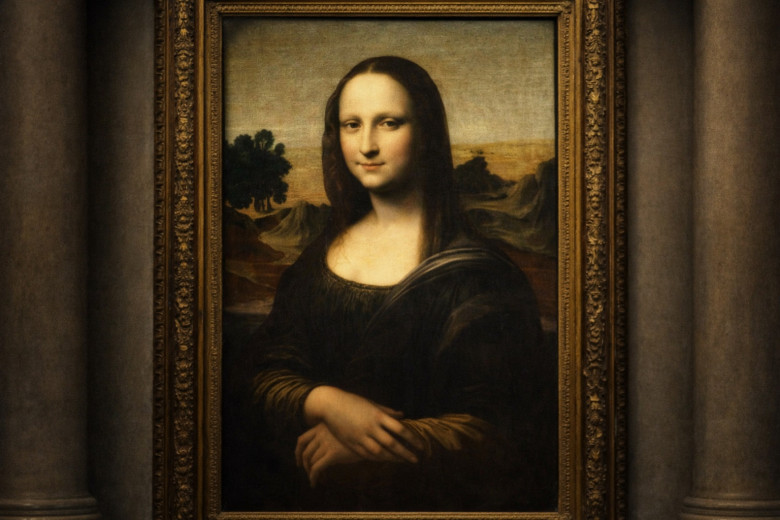
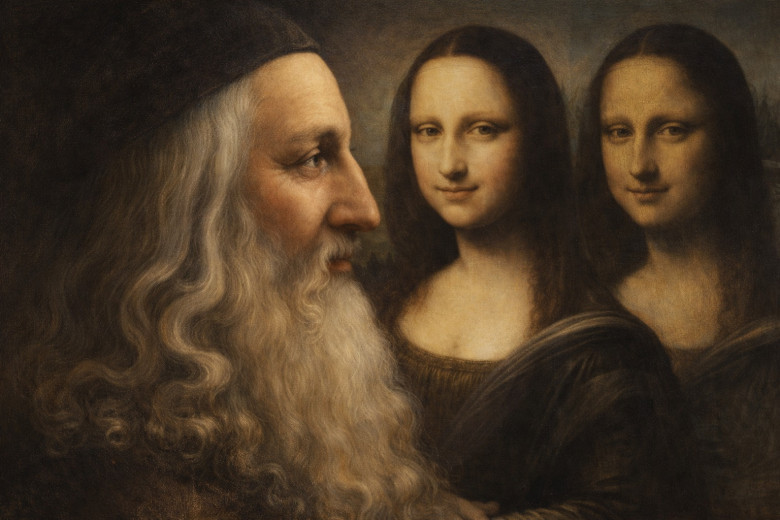
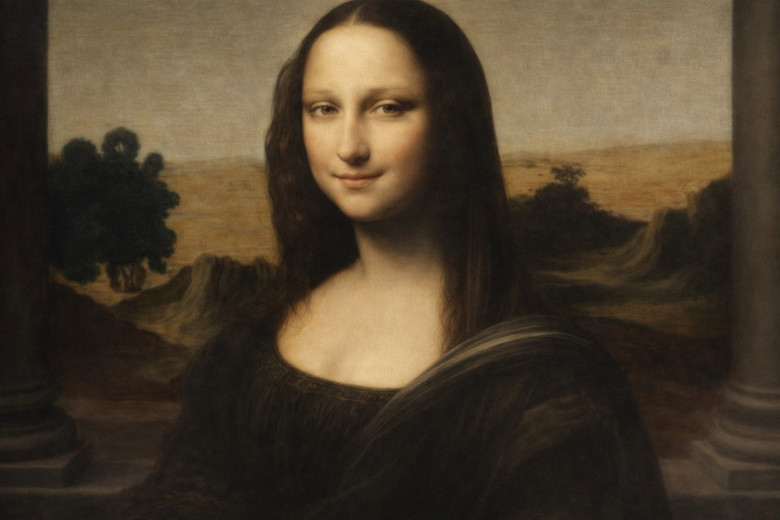
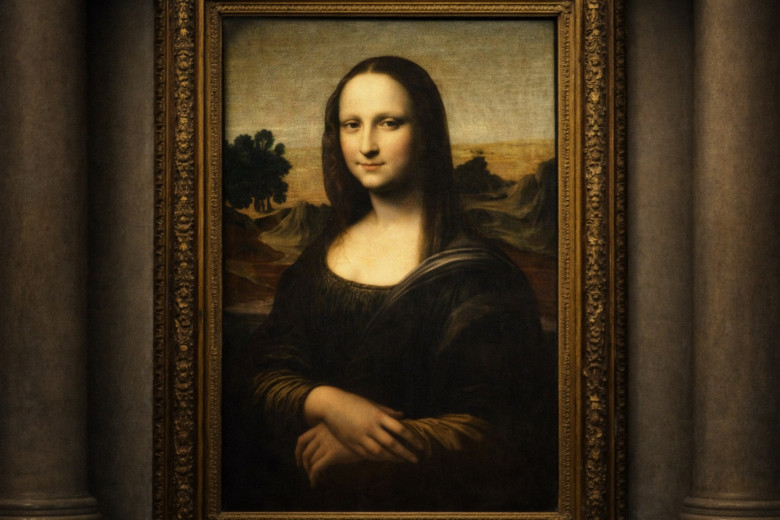
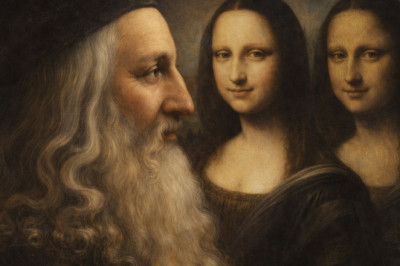
In 2012, the Mona Lisa Foundation announced a controversial theory: Leonardo da Vinci painted two versions of his famous portrait. Based on extensive scientific analysis including X-rays, infrared imaging, and digital scans, researchers concluded that the Isleworth Mona Lisa represented an earlier version of the same subject. This claim challenged centuries of art historical consensus and sparked intense debate within the academic community.
The foundation's multidisciplinary approach combined traditional art historical methods with cutting-edge technology, setting new standards for authentication research. While not universally accepted, their findings opened new avenues for understanding da Vinci's working methods and the painting's complex history. This bold assertion demonstrates how modern research can challenge established narratives, pushing the boundaries of art historical knowledge.
Isleworth Mona Lisa: The Second Portrait?
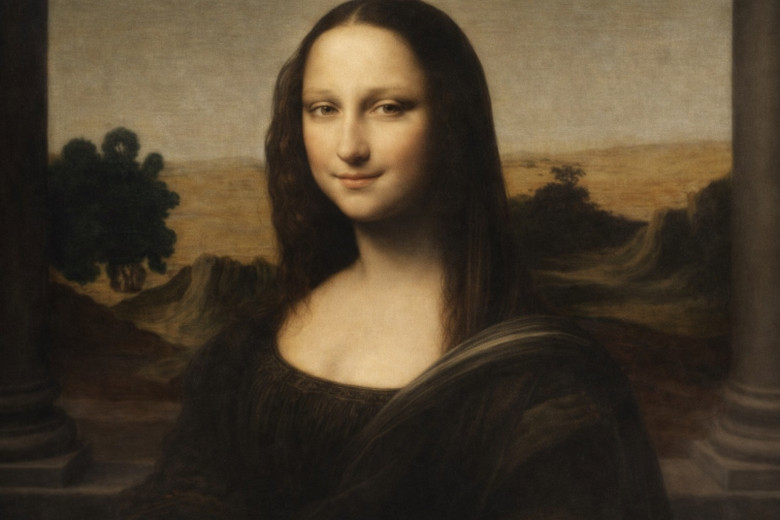
The Isleworth Mona Lisa emerged from obscurity in 2008 after decades stored in a Swiss bank vault, reigniting debates about da Vinci's working methods. This earlier version, named after its London suburb location, shows a younger-looking subject with visible columns absent from the Louvre version. Proponents argue it represents da Vinci's initial attempt, painted around 1503, while the Louvre version reflects his mature style completed years later.

Critics point to differences in materials and technique as evidence against authenticity. The painting's journey—from Italian villa to English collection to Swiss storage—mirrors the Mona Lisa's own complex provenance. This controversy highlights how art authentication involves subjective interpretation alongside objective analysis, with experts weighing historical evidence, technical data, and artistic judgment in reaching conclusions.
English Collector's Extraordinary Find
Hugh Blaker's 1913 discovery of the Isleworth Mona Lisa in an English country house represents one of art history's most remarkable finds. As an art connoisseur and museum curator, Blaker recognized the painting's potential significance despite its obscurity. He acquired the work and transported it to his Isleworth home, where it remained for decades. Blaker's stepfather, John R. Eyre, conducted extensive research supporting its authenticity, publishing findings that initially gained limited attention.
The painting's subsequent storage in Switzerland and eventual rediscovery demonstrate how important artworks can vanish from public view for generations. Blaker's instinctive recognition of the painting's importance underscores the role of individual passion and expertise in art historical discovery, showing how amateur collectors can contribute significantly to scholarly understanding.
Decades of Obscurity and Rediscovery
The Isleworth Mona Lisa's 30-year confinement in a Swiss bank vault illustrates how valuable artworks can disappear from public consciousness. After Henry Pulitzer's death in 1979, the painting entered storage, its significance forgotten amid changing art market priorities. This period of obscurity ended in 2008 when new owners emerged, prompting renewed investigation.
The rediscovery sparked formation of the Mona Lisa Foundation dedicated to authentication research. This cycle of discovery, obscurity, and rediscovery parallels many art historical narratives where works vanish and reappear across generations. The painting's journey highlights challenges in art preservation, authentication, and public access, demonstrating how cultural treasures require active stewardship to maintain their historical significance and public relevance.
Scientific Analysis Supports Two Versions
Advanced imaging technologies have provided compelling evidence for the Isleworth Mona Lisa's authenticity. John Asmus's research at the University of California employed sophisticated analysis techniques comparing brushwork and composition between both versions. His findings suggested the same artist executed both portraits' facial features with nearly identical techniques. The Mona Lisa Foundation's comprehensive study included infrared reflectography revealing underdrawings consistent with da Vinci's preparatory methods.
While critics question certain aspects, particularly the canvas support unusual for da Vinci's later period, the scientific evidence presents a strong case for reconsidering traditional narratives. This multidisciplinary approach combining art history, physics, and digital analysis represents the future of authentication research, where objective data complements subjective expertise.
Hidden Drawings Beneath Virgin of the Rocks
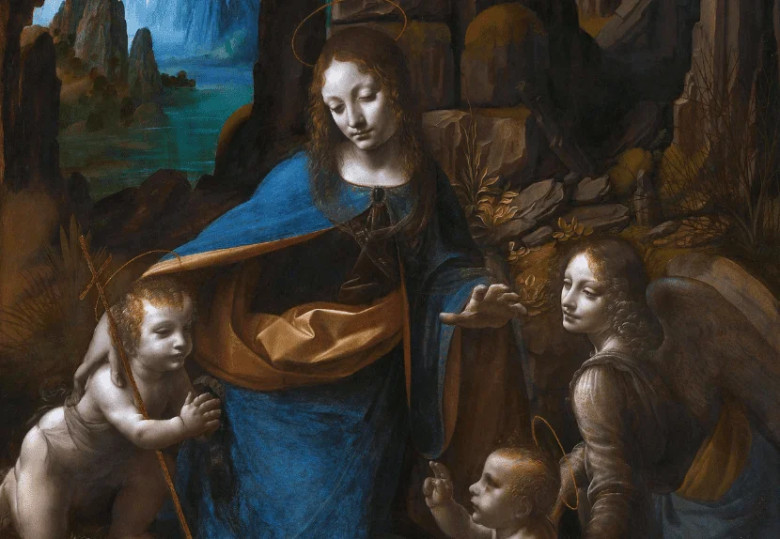
In 2019, researchers uncovered astonishing hidden drawings beneath da Vinci's "Virgin of the Rocks," revealing the artist's creative evolution. Using Macro X-ray Fluorescence technology, scientists detected zinc-based sketches showing completely different compositions beneath the visible painting. These preliminary drawings depicted figures in higher positions with altered arrangements, demonstrating da Vinci's iterative creative process. The discovery included handprints possibly from da Vinci himself smoothing the primer surface.
This finding parallels similar discoveries beneath other masterpieces, showing how artists revise and refine their visions. The hidden drawings provide unprecedented insight into da Vinci's working methods, revealing the thoughtful deliberation behind seemingly spontaneous masterpieces. Such discoveries transform our understanding of artistic creation, showing how even geniuses experiment, adjust, and perfect their visions through multiple iterations.














Comments
0 comment