





Understanding the Average Spending on Pet Care: What Do We Spend On?
Pet ownership brings joy, companionship, and a sense of responsibility, but it also comes with a financial commitment. From providing proper nutrition to ensuring regular health checkups, pet care costs can add up over time. Understanding where pet owners allocate their spending can help individuals budget for their furry friends while ensuring they meet their pets' needs.
The Breakdown of Average Pet Care Spending
On average, pet owners spend a significant amount on various aspects of their pets' care. The primary expenses generally include food and treats, hygiene, medications, toys, and veterinary care. Each of these categories plays an essential role in keeping pets healthy, comfortable, and happy.
-
Food and Treats
Pet food represents the largest portion of spending for most pet owners. Depending on the size, breed, and specific dietary needs of a pet, the cost of food can vary widely. Special diets, organic options, and premium brands can significantly increase the cost. Treats, often used for training or as rewards, also contribute to the overall food budget, though they generally make up a smaller share of the total spending. -
Hygiene Products
Maintaining a pet’s hygiene is crucial for its well-being. Pet owners spend money on items like shampoos, grooming supplies, litter, and waste bags. Hygiene products not only ensure pets are clean but also play a role in preventing infections and health issues, especially for pets with long fur or specific hygiene needs. -
Medications
Pets, like humans, require medical attention throughout their lives. Regular vaccinations, flea and tick preventatives, and other medications contribute to the overall costs of pet care. Chronic conditions or age-related illnesses can also add to this expenditure, as pets require long-term medication management. -
Toys
Playtime is an essential aspect of a pet’s daily routine, particularly for dogs and cats. Toys stimulate pets mentally and physically, helping to prevent behavioral issues and providing a fun, enriching experience. On average, pet owners allocate a portion of their budget for toys such as balls, squeakers, scratching posts, and interactive games. -
Veterinary Care
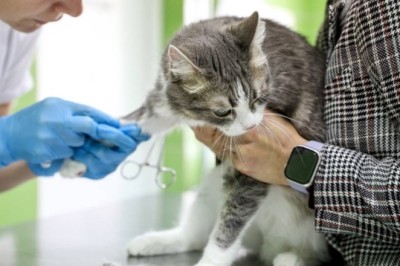
Regular veterinary visits are an essential part of pet ownership. Routine checkups, dental care, and emergency treatments can become a significant expense over time. Pet owners often set aside funds for vaccinations, spaying/neutering, and surgeries as necessary. Veterinary care is crucial not only for managing existing health conditions but also for ensuring a long and healthy life for their pets.
Secondary Pet Care Expenses
While the main expenses are food, hygiene, medications, toys, and veterinary care, there are other less frequent but still essential costs. Leashes and collars, while necessary for walking and identification, tend to cost less in comparison to food or medical expenses. Similarly, some pet owners choose to invest in clothing for their pets, particularly for smaller breeds or those living in colder climates, though this category is less of a financial burden for most.
Grooming is another area where spending is often minimal unless the pet requires regular professional grooming. Breeds with long hair or those prone to shedding may require more frequent grooming appointments, adding to overall pet care costs.
Conclusion
Pet care is an ongoing financial commitment, with the majority of spending focused on food, hygiene, medications, and veterinary care. These expenditures are essential to maintaining a pet’s health and happiness. While additional costs, such as for leashes, collars, clothing, and grooming, do arise, they tend to be less frequent and smaller in comparison. By understanding these categories, pet owners can better plan for the expenses associated with raising a pet, ensuring they are prepared for both regular costs and unexpected needs.













Comments
0 comment