




Beyond the Pedigree: Inside the World of Domestic Cats
Unlike dogs, which humans reshaped over thousands of years into dozens of specialized laborers, domestic cats (Felis catus) largely shaped their own path alongside human settlements. Major registries recognize roughly 45 to 75 standardized breeds—such as the Cat Fanciers' Association with 45 championship breeds and The International Cat Association with around 73 to 75, depending on each registry's rules and how color or coat varieties are grouped. Yet the vast majority of pet cats worldwide are mixed-breed cats rather than pedigree animals.
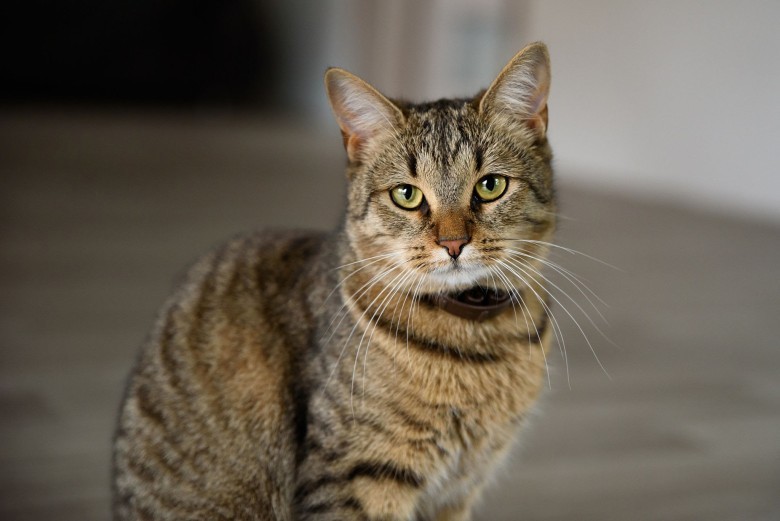
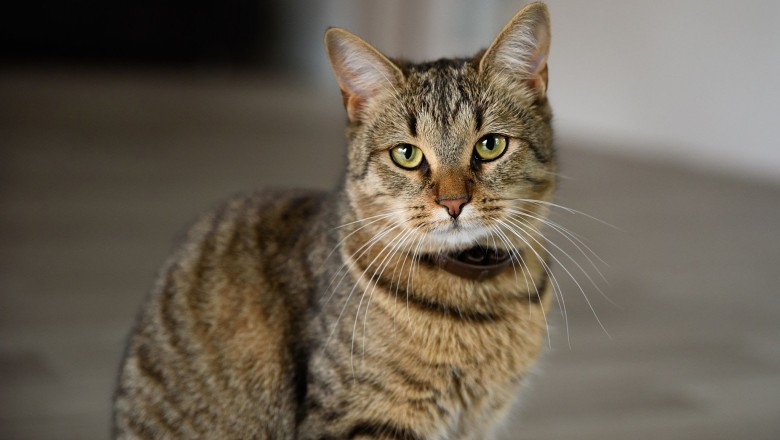
A mixed-breed tabby cat indoors. Source: Nata Serenko / Getty Images
Why Most Cats Are Mixed Breeds
For most of feline history, cats did not need strict human breeding programs to earn their keep. As grain stores attracted rodents in early farming communities, wildcats that tolerated human proximity found easy hunting grounds and relative safety. People welcomed natural pest control without tightly controlling feline pairings.
Because free-roaming cats continued mating across neighborhoods, ports, and farms, mixed ancestry became the norm rather than the exception. In everyday homes, a "tabby" or "calico" is usually describing a coat pattern rather than a formal pedigree. Mixed-breed cats benefit from a broad gene pool and exhibit wide variation in size, coat length, play drive, and sociability.
How Registries Classify Standardized Breeds
Pedigree cat breeding is much newer and smaller in scale than dog breeding. Registries establish standards for conformation, coat texture, eye color, and allowable outcrosses, which is why breed counts differ from one organization to another:
-
Different standards and histories: The Cat Fanciers' Association maintains a more conservative list of roughly 45 recognized breeds, whereas The International Cat Association recognizes closer to 73 to 75 breeds and includes newer experimental or hybrid lines.
-
Coat and color splits: One registry may treat a distinct coat length, pattern, or color point as a separate breed, while another classifies it as a variation within an existing breed.
| Aspect | Mixed-Breed Cats | Standardized Pedigree Breeds |
| Population Share | Majority of household cats | Small fraction of pet cats |
| Origin | Generations of natural/free-roaming mating | Selective breeding to registry standards |
| Registry Count | Not defined by breed registries | Roughly 45–75 depending on registry |
| Trait Range | Broad variation across individuals | Narrower target traits per breed |
Everyday Life, Stories, and Insights
Whether a cat has pedigree papers or comes from a local shelter, daily life revolves around territory, vertical space, predictable routines, and gentle social cues. Cats communicate heavily through slow blinks, ear angle, tail carriage, and scent rather than constant vocal commands.
Real-world stories show how subtle those connections can be. One shelter tabby might shadow its person from room to room while keeping a respectful distance from strangers, whereas a confident pedigree or mixed cat might greet guests at the door within minutes. Even in busy households, a cat claiming a sunny windowsill or curling up beside a laptop offers a quiet rhythm that many owners find grounding.
Understanding both the 45-to-75-breed registry landscape and the everyday reality of mixed-breed cats gives a clearer picture of felines: standardized breeds showcase deliberate human selection, while mixed-breed cats carry the everyday story of how cats first walked into human homes.














Comments
0 comment