





Coton de Tulear

The Royal Cotton of Madagascar
In a world captivated by compact companions, few breeds command admiration like the Coton de Tulear. Originating from the exotic island of Madagascar, this enchanting toy dog is celebrated for its cloud-soft white coat and radiant personality. Often called the “Royal Dog of Madagascar,” the Coton is more than a pet — it is a devoted companion wrapped in cotton-like elegance.
Authoritative breed standards and history can be found through trusted organizations such as the
-
American Kennel Club (AKC): https://www.akc.org/dog-breeds/coton-de-tulear/
-
Fédération Cynologique Internationale (FCI): https://www.fci.be/en/nomenclature/COTON-DE-TULEAR-283.html
-
United Kennel Club (UKC): https://www.ukcdogs.com/coton-de-tulear
Appearance: A Living Cloud
The Coton de Tulear is the embodiment of softness and balance. Its most striking feature is its luxuriant, snow-white coat, reaching approximately 6–8 cm in length. Fine, dry, and cotton-like in texture, the coat may be straight or slightly wavy. Subtle fawn shading around the ears is acceptable and adds to its charm.
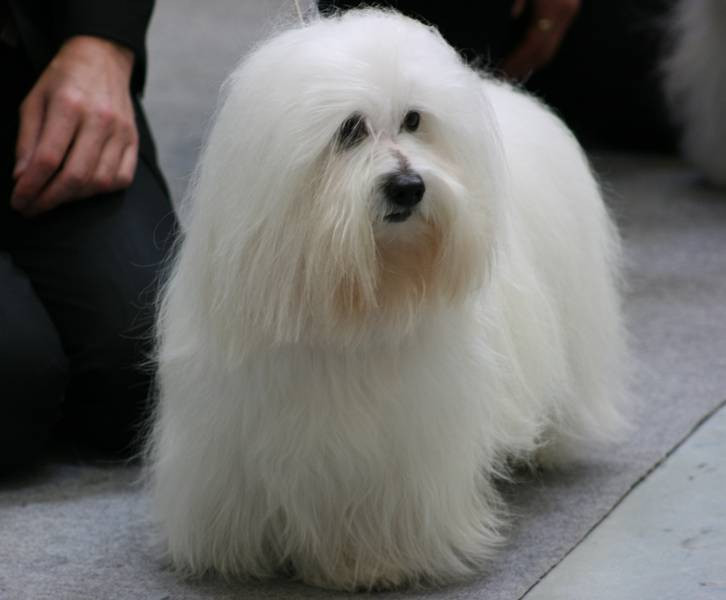
Dark, expressive, wide-set eyes radiate warmth and intelligence. The body is compact yet sturdy, supported by a muscular back and broad chest. The tail is medium in length, carried proudly over the back in a joyful curve.
Breed standards describe an ideal 2:3 height-to-length ratio.
-
Males: up to 28 cm at the withers
-
Females: up to 25 cm at the withers
Despite its delicate appearance, the Coton possesses surprising resilience and structural strength.
Temperament: Devotion in Its Purest Form
The Coton de Tulear is defined by its heart.
Affectionate, intelligent, and deeply loyal, this breed thrives on human connection. Cotons form intense bonds with their families and display remarkable emotional sensitivity. Their eagerness to please makes training both enjoyable and effective. According to the AKC, they are known for their adaptability and clown-like personality.
Though small, Cotons are courageous and alert. They will not hesitate to signal the presence of strangers, making them reliable little watchdogs.
However, their greatest strength — attachment to their humans — is also their vulnerability. Cotons do not tolerate prolonged loneliness. They flourish in homes where companionship is constant and affection abundant. Large families, retirees, or individuals working from home often provide ideal environments.
Intelligence & Personality
Mental stimulation is essential. Cotons excel in obedience, agility, and trick training. Their sharp minds demand engagement, puzzles, and interactive play.
They are gentle with children, friendly with other pets, and adaptable to apartment living. Beneath their regal coat beats the heart of a joyful entertainer — playful, animated, and endlessly charming.
Care: Preserving the White Crown
Grooming
The magnificent white coat requires commitment. Regular brushing (at least 3–4 times per week) prevents matting and preserves its signature texture. Professional grooming is recommended periodically to maintain coat health and hygiene.

Because of their light coat, Cotons can soil easily outdoors. Clean living environments and regular bathing (as advised by veterinary professionals) help maintain their brilliance.
Living Environment
Cotons adapt well to apartments or houses but should avoid excessive strain on their delicate joints and spine. Prepare dedicated areas for:
-
Sleeping (a supportive dog bed)
-
Feeding (elevated bowls)
-
Play
-
Hygiene (puppy pads or designated toilet area)
Nutrition: Fueling a Delicate Constitution
A balanced diet is critical for longevity and vitality. Premium commercial dog food formulated for small breeds typically provides complete nutrition, including essential vitamins and minerals.
Feeding guidelines:
-
Transition to solid food around 8 weeks of age.
-
Shift to adult food between 8–9 months.
-
Adult feeding frequency: twice daily.
Natural dietary components may include:
-
Lean meats
-
Fish (boneless, marine sources preferred)
-
Safe fruits and vegetables (in moderation)
Strictly Prohibited
-
Table scraps
-
Salty, spicy, or seasoned foods
-
Sweets and baked goods
-
Tubular or chicken bones
-
Grapes, plums, legumes, potatoes
-
Pasta, pearl barley
-
River fish
Portion control is essential, even though Cotons are not typically prone to obesity.
For canine nutrition guidance, consult veterinary authorities such as:
-
World Small Animal Veterinary Association (WSAVA): https://wsava.org/global-guidelines/global-nutrition-guidelines/
Owning a Coton means embracing responsibility for its coat, heart, and happiness. In return, you receive boundless devotion wrapped in a cloud of white elegance.














Comments
0 comment