



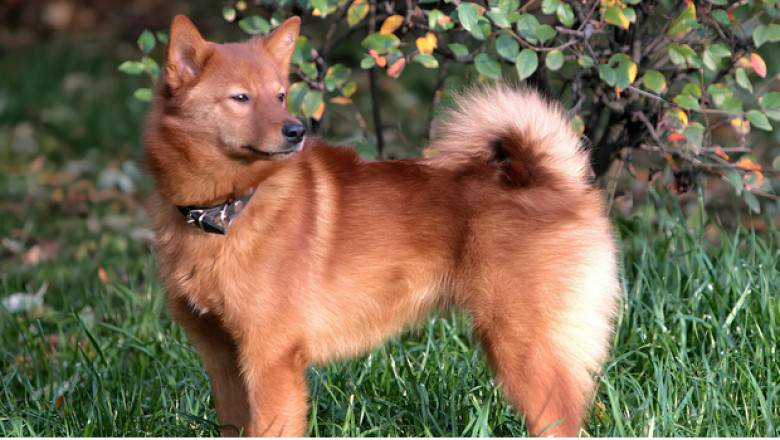

Discover the fascinating Finnish Spitz – a compact, energetic breed with a stunning red coat and a rich hunting heritage. Learn about their fox-like appearance, loyal yet independent temperament, essential care needs, and how their strong instincts make them excellent companions for active families when properly trained and socialized.
The Finnish Spitz: A Fiery Fox-Like Companion from the Land of a Thousand Lakes
The Finnish Spitz is a captivating breed with a rich heritage and a personality as vibrant as its stunning coat. This article delves into the breed's fascinating history, distinctive features, temperament, and provides practical advice on grooming, training, and caring for this unique dog.
A Storied Past Rooted in Ancient Hunts
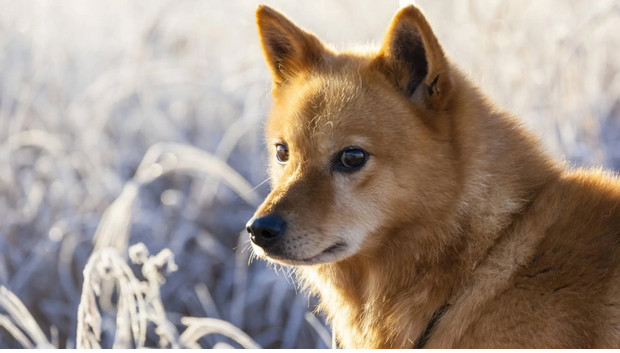
Originating from the regions of Finland and Karelia, the Finnish Spitz, historically also known as the Karelo-Finnish Laika, was meticulously bred for hunting birds and small game. Its most prized asset was its resonant, distinctive bark, used to alert hunters to the location of prey, particularly birds like the capercaillie.
Historical records hint at these red-coated, vocal dogs as early as 1675, mentioned by the traveler Pierre de la Martignare. By the late 19th century, the breed faced near-extinction due to crossbreeding. Dedicated efforts by breeders like Hugo Roos and Hugo Sandberg saved it, leading to its formal recognition by the Finnish Kennel Club in 1892.
In Russia, the closely related line was developed and known as the Karelo-Finnish Laika. In 2006, the Fédération Cynologique Internationale (FCI) unified these lines under the single name "Finnish Spitz" (Standard #49), a move that generated some discussion among cynologists. Today, the Finnish Spitz stands proudly as Finland's national dog, treasured for its exceptional hunting prowess and spirited nature, embodying the culture of the north.
A Compact Powerhouse Built for the Hunt
The Finnish Spitz is a compact yet robust dog, embodying both elegance and remarkable endurance, making it a favorite among hunters and families alike.
- Size & Weight: Males typically stand 44-50 cm tall at the shoulder and weigh 12-13 kg. Females are slightly smaller, measuring 39-45 cm and weighing 7-10 kg.
Striking Looks That Stop You in Your Tracks
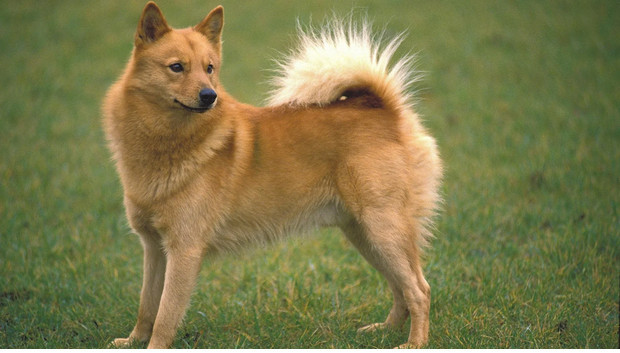
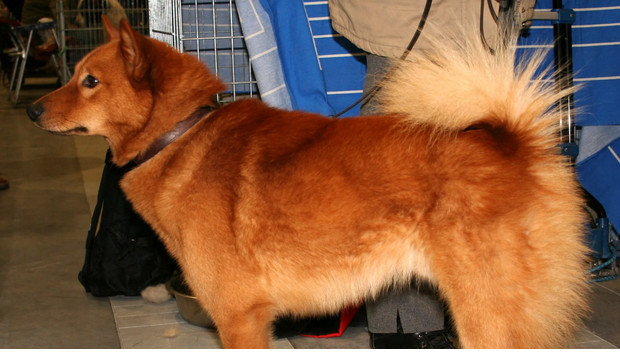
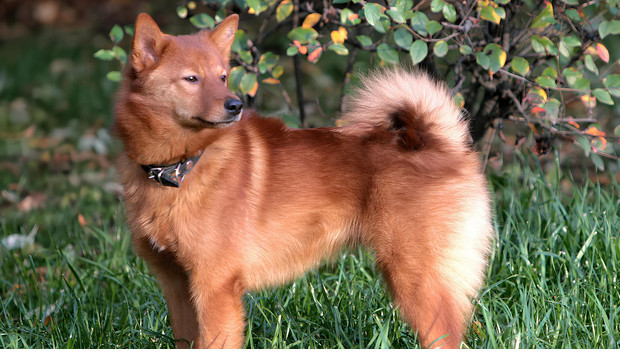
Resembling a fox, the Finnish Spitz boasts a harmonious build. It features a wedge-shaped head with a distinct stop, a pointed but not overly narrow muzzle, bright brown or dark eyes reflecting alertness and intelligence, and erect, triangular ears. Its hallmark is undoubtedly its thick, curled tail, often resting tightly over its back, sometimes covering the flank.
- Color: The coat is exclusively a rich red, varying from a warm honey-red to a deep, fiery shade. Darker red is often seen along the back, while lighter shades might appear on the chest, belly, and inner legs. Small white markings on the chest, feet, or tip of the tail are permissible. Sharp color changes or large white patches are considered faults.
- Coat: The double coat is medium-length, featuring a dense, soft undercoat and a straight, harsh outer coat. The hair is shorter on the head, ears, and front legs, becoming longer and more luxurious around the neck ("ruff"), thighs, and tail.
Finding Your Finnish Spitz Puppy
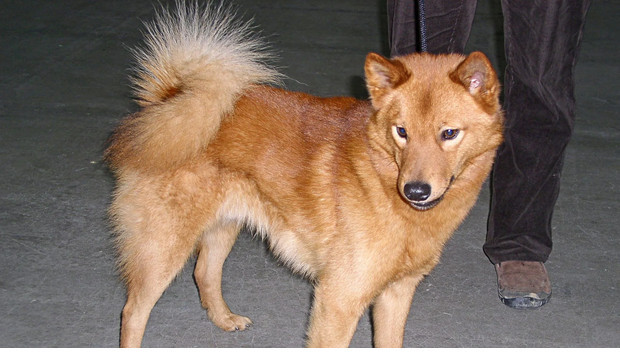
The price of a Finnish Spitz puppy typically ranges from 30,000 to 80,000 rubles, depending on factors like the breeder's reputation, the puppy's lineage, and the region. Show-quality prospects or those from champion bloodlines command higher prices.
A Spirited and Loyal Nature
This breed is ideally suited for active individuals or families. Key traits include:
- Energetic: Needs long, vigorous walks and active playtime.
- Intelligent: Quick learners, though they can display independent streaks.
- Loyal & Friendly: Forms strong bonds with family and is generally good with children.
- Reserved with Strangers: Naturally cautious around unfamiliar people.
- Strong Hunting Drive: Prone to barking and chasing small animals.
Training: Patience and Positivity Are Key
Training a Finnish Spitz requires patience and understanding due to its intelligence and independent nature. Start early, employing positive reinforcement techniques like treats and praise. Keep training sessions short and engaging to hold their interest. Early and thorough socialization is vital to ensure a well-adjusted, confident adult dog comfortable around various people and animals. The owner must be a calm, consistent leader.
Health and Longevity
Generally a robust breed, Finnish Spitz are relatively free from serious hereditary ailments. However, potential health concerns include hip dysplasia, epilepsy, patellar luxation, eye conditions, and food allergies. Regular vet check-ups, a balanced diet, and preventative care for parasites are essential. For active hunting dogs, vaccination schedules and tick prevention are particularly important. With proper care, they typically enjoy a lifespan of 12-15 years.
Living with a Finnish Spitz
Despite their adaptability to apartment life due to their size, Finnish Spitzes are extremely energetic and require at least 2-2.5 hours of vigorous exercise daily. Their coat needs brushing 2-3 times weekly, increasing to daily during shedding seasons. Baths are needed every 2-3 months using a quality dog shampoo.
Their diet should be high-quality, balanced, and rich in protein (like meat and fish) to manage weight. Provide them with a dedicated space, including a comfortable bed, food and water bowls, and engaging toys.
Weighing the Pros and Cons
Pros:
- Compact size, suitable for apartments.
- Generally robust health.
- Stunning, fox-like appearance with a vibrant red coat.
- Loyal and friendly with family.
- Excellent hunting instincts.
- Relatively easy-going regarding food.
- Well-adapted to cold climates.
Cons:
- Can be a loud, persistent barker.
- Independent and potentially stubborn during training.
- High exercise requirements.
- Wary of strangers.
- Strong prey drive, challenging with small pets.
Whether these traits are seen as pros or cons depends greatly on the owner's lifestyle and expectations.
Expert Insight
Surzhana Shaganova, a certified trainer with extensive experience, highlights the breed's inherent instincts: "The Finnish Spitz retains strong natural drives from its hunting background. Early socialization is paramount, especially if you have other pets. A well-socialized Finnish Spitz can be friendly at home. However, without proper training post-puberty, its hunting instinct may lead to chasing other animals. While adaptable to city living, it demands significant physical and mental stimulation. Neglect this, and it might resort to finding its own, potentially destructive, activities."
In Summary: Key Facts About the Finnish Spitz
- Origin: Finland (Unified as Finnish Spitz internationally in 2006)
- Look: Compact, fox-like, with a signature red coat and curled tail.
- Temperament: Energetic, intelligent, independent, loyal to family, wary of strangers.
- Care: Regular brushing, extensive exercise, balanced diet.
- Training: Needs patience, consistency, and positive methods.
- Health: Generally robust.
- Lifespan: Typically 12-15 years.
The Finnish Spitz is an ideal match for active individuals who appreciate an intelligent, energetic companion. While it can thrive indoors, it absolutely requires substantial daily exercise and dedicated training to channel its natural instincts positively, rewarding owners with unwavering loyalty and a dynamic presence.
















Comments
0 comment