




To Shave or Not to Shave a Cat? An Expert’s Opinion on Cat Grooming
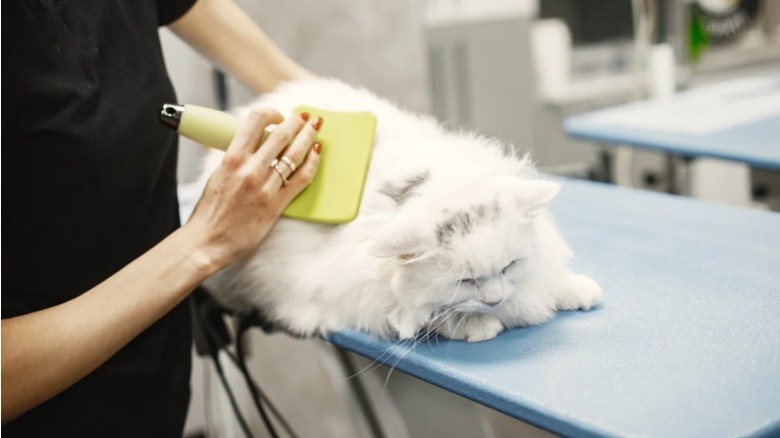
Every cat owner has faced the moment: you run your hand over your long-haired feline and feel a dreaded mat—tight, tangled, and painful-looking. The question immediately arises: should you shave your cat? It’s a decision that stirs guilt, confusion, and even judgment from fellow pet lovers. But according to veterinarian Evgeny Tsyplenkov, the answer isn’t about vanity or convenience. It’s about the cat’s health and comfort.
“Grooming a cat isn’t necessary for changing its appearance,” Tsyplenkov explains. “It’s primarily to address grooming issues and skin condition. In some cases, the procedure can reduce the risk of matting and make life easier for the animal.”
Understanding Your Cat’s Grooming Needs
Not every cat needs a haircut. The decision depends on breed, hair length, and living conditions. Most short-haired cats are perfectly capable of maintaining their own coats. A regular brushing routine helps remove dirt and excess hair, and that’s usually enough. But long-haired breeds—Persians, Maine Coons, Ragdolls, and their mixes—often require significant owner involvement.
Why? Because dense fur mats easily, especially in high-friction areas: the belly, under the paws, behind the ears, and along the back legs. These mats aren’t just unsightly. “Mats not only hinder the cat’s movement but can also chafe the skin, creating conditions for inflammation,” Tsyplenkov warns. A tight mat pulls on the skin with every step, causing pain. It can hide wounds, trap moisture, and lead to bacterial infections. In severe cases, mats can even restrict blood flow.
Which Cats Might Need a Haircut?
According to the veterinarian, grooming becomes especially important in four specific situations:
- The cat regularly develops dense mats that are impossible to untangle with brushing alone. No amount of patience or detangling spray can fix a mat that has tightened against the skin.
- The pet sheds heavily, leaving fur accumulating on furniture, clothes, and floors. Excessive shedding isn’t just a cleaning nuisance—it’s a health concern for the cat.
- The pet does not allow proper grooming due to pain, age, arthritis, or a sensitive temperament. An elderly cat with stiff joints may not tolerate brushing. A rescue cat with trauma may panic. In such cases, a professional trim is kinder than forcing daily grooming battles.
- The dense undercoat interferes with comfort in hot weather. Even indoor cats can suffer in summer if they carry a thick winter coat. A “lion cut” or sanitary trim can provide relief without compromising skin protection.
How Excess Hair Affects a Cat’s Health
The problem of excess hair goes beyond mats. Cats are meticulous groomers. Every day, they swallow loose fur while cleaning themselves. Small amounts pass through the digestive system naturally. But when shedding is heavy, the volume of ingested hair increases dramatically. This leads to frequent hairballs—and worse, intestinal blockages that require emergency surgery.
“If your cat sheds heavily and you can’t do anything about it, it’s certainly better to trim it,” Tsyplenkov advises. A shorter coat means less hair to swallow, fewer hairballs, and a healthier digestive tract. It also means less fur spread around your home, which benefits family members with allergies.
Why Not All Cats Need This Procedure
Despite these benefits, grooming is not a universal solution. “Grooming isn’t a necessary part of grooming for every animal,” Tsyplenkov emphasizes. “In a healthy cat with a well-groomed coat, grooming may not be necessary.”
Before booking an appointment, owners must assess the condition of the coat and skin. Cutting the coat too short without medical advice can compromise the skin’s natural defenses. A cat’s fur provides insulation against cold and heat, protection from sunburn, and a barrier against minor scratches and insect bites. Shaving too close can leave the skin vulnerable.
Moreover, grooming won’t solve underlying problems. If your cat is shedding excessively or its coat looks dull and brittle, the cause might be poor diet, stress, or an underlying illness. A haircut is a cosmetic fix, not a cure. “The need for grooming is determined individually,” Tsyplenkov explains. “For some animals, regular brushing is sufficient. For others, grooming helps to remove tangles, heavy shedding, and discomfort due to the nature of their coat.”
The Human-Interest Side: A Cat’s Comfort Comes First
Behind every grooming decision is a story. Take Bella, a 12-year-old Persian whose owner noticed she was hiding more and eating less. A vet visit revealed painful mats under her armpits and belly. After a professional shave—leaving a short, even coat—Bella returned to her playful self within days. Her owner learned that the “lion cut” wasn’t about making Bella look cute; it was about ending her silent suffering.
Or consider Max, a Maine Coon living in a small apartment with no air conditioning. His thick winter coat caused him to pant and seek cool tile floors constantly. A summer trim transformed his comfort level. He became more active, slept better, and stopped over-grooming his irritated skin.
These stories highlight the core principle: grooming decisions should prioritize the cat’s well-being, not human aesthetics. If a haircut reduces pain, prevents health problems, or improves quality of life, it’s worth considering. If it’s purely for appearance, it’s probably unnecessary.
Practical Tips for Cat Owners
If you’re considering a haircut for your cat, follow these expert guidelines:
- Consult a veterinarian first. Rule out medical causes for shedding or coat problems. Get advice on whether grooming is appropriate for your cat’s breed and health status.
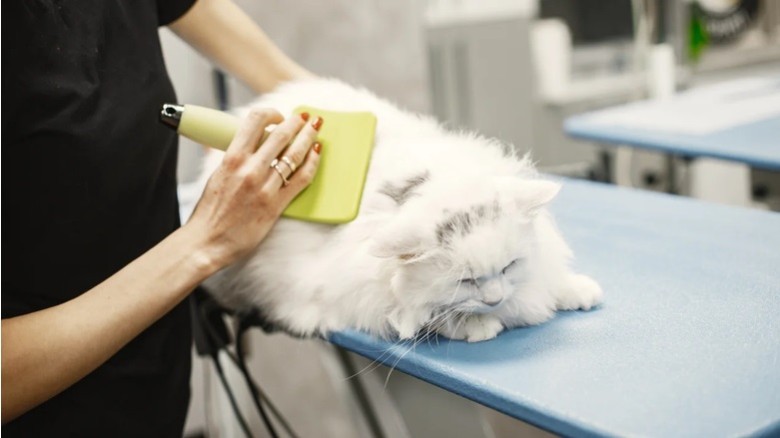
- Hire a professional groomer. Cat skin is thin and elastic. Improper clipper use can cause nicks, burns, or severe stress. Professional groomers know how to handle anxious cats and use safe techniques.
- Never shave to the skin without medical reason. Leave at least ¼ inch of fur to protect the skin. A “sanitary trim” around the rear and belly may be enough for many cats.
- Maintain regular brushing. Even after a haircut, brushing removes loose hair and distributes natural oils. Choose the right brush for your cat’s coat type.
- Monitor your cat’s reaction. Some cats feel vulnerable after a trim. Provide extra warmth, safe hiding spots, and reassurance. Most adjust within a few days.
The Bottom Line
The question “to shave or not to shave” has no one-size-fits-all answer. It depends on your cat’s unique needs, health, and temperament. As Tsyplenkov reminds us, the goal isn’t to make a cat look like a lion or a teddy bear. It’s to make the cat comfortable, healthy, and happy.
For some cats, regular brushing is enough. For others, a careful trim by a professional can be life-changing—relieving pain, preventing illness, and restoring joy. Listen to your cat, consult your vet, and make the choice that puts your feline friend first. That’s the heart of responsible pet ownership.














Comments
0 comment