



Meet the "Herodinosaur": A 70-Million-Year-Old Fish-Eating Predator That Stalked Like a Modern Heron
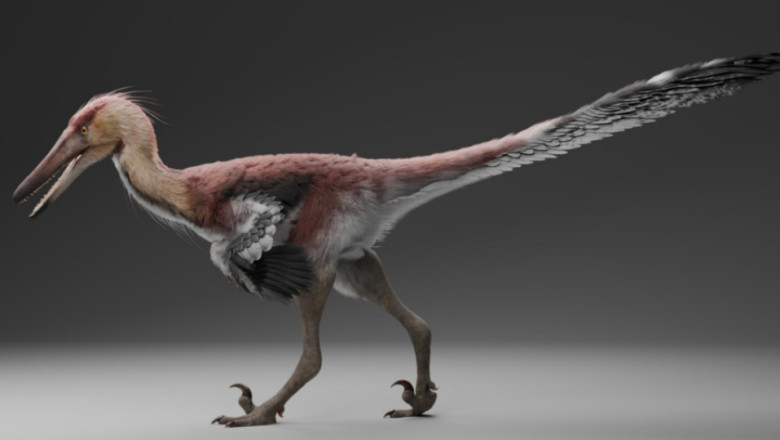

Meet the "Duck-Billed" Dino: The 70-Million-Year-Old Fisherman of Patagonia
Deep in the rugged landscapes of southern Patagonia, a fascinating creature from the distant past has finally been brought to light. Scientists have identified a previously unknown dinosaur species that didn't just stomp around the earth—it fished, waded, and behaved remarkably like a modern-day heron.
Named Kank australis, this predator roamed the earth approximately 70 million years ago. While it belongs to the fearsome theropod family, this 2.5-to-3-meter-long hunter likely spent its days stalking the water's edge, looking for its next meal.
A Prehistoric Angler
What makes Kank australis so special is its lifestyle. Based on fossilized evidence, paleontologists believe this dinosaur was an expert fisherman.
- The "Heron" Neck: The discovery of specific neck vertebrae suggests Kank had a highly flexible neck capable of complex movements, very similar to the strike of a modern heron or egret.
- Dinner is Served: The fossils were found right next to fossilized fish, strongly hinting that seafood was on the menu.
- A Varied Diet: Beyond fish, this opportunistic predator likely hunted frogs, lizards, turtles, and small mammals found in its wetland home.
Life in the Late Cretaceous
Travel back 70 million years, and you would find Kank australis living in a lush, temperate world. The landscape of what is now Santa Cruz, Argentina, was once a network of winding rivers, streams, and seasonal lakes dotted with water lilies. It was a humid, rainy paradise teeming with insects, mollusks, and aquatic life—the perfect hunting ground for a wading dinosaur.
The Puzzle in the Dirt
The journey to identify Kank australis was a slow burn. The fossils were unearthed on a farm in Argentina, where field excavations have been ongoing since 2018.
While fragments of the dinosaur were found early on, they were too incomplete to identify. The real breakthrough came in 2024 with the discovery of a single, crucial piece of the puzzle: a cervical vertebra (a neck bone). This key find allowed researchers to connect the dots, analyzing teeth, vertebrae, and toe bones to officially classify the new species.
Now that Kank australis has been introduced to the world in the Journal of Vertebrate Paleontology, researchers are planning new excavations. Their goal? To find more bones and unlock the remaining secrets of this ancient, fishing dinosaur.













Comments
0 comment